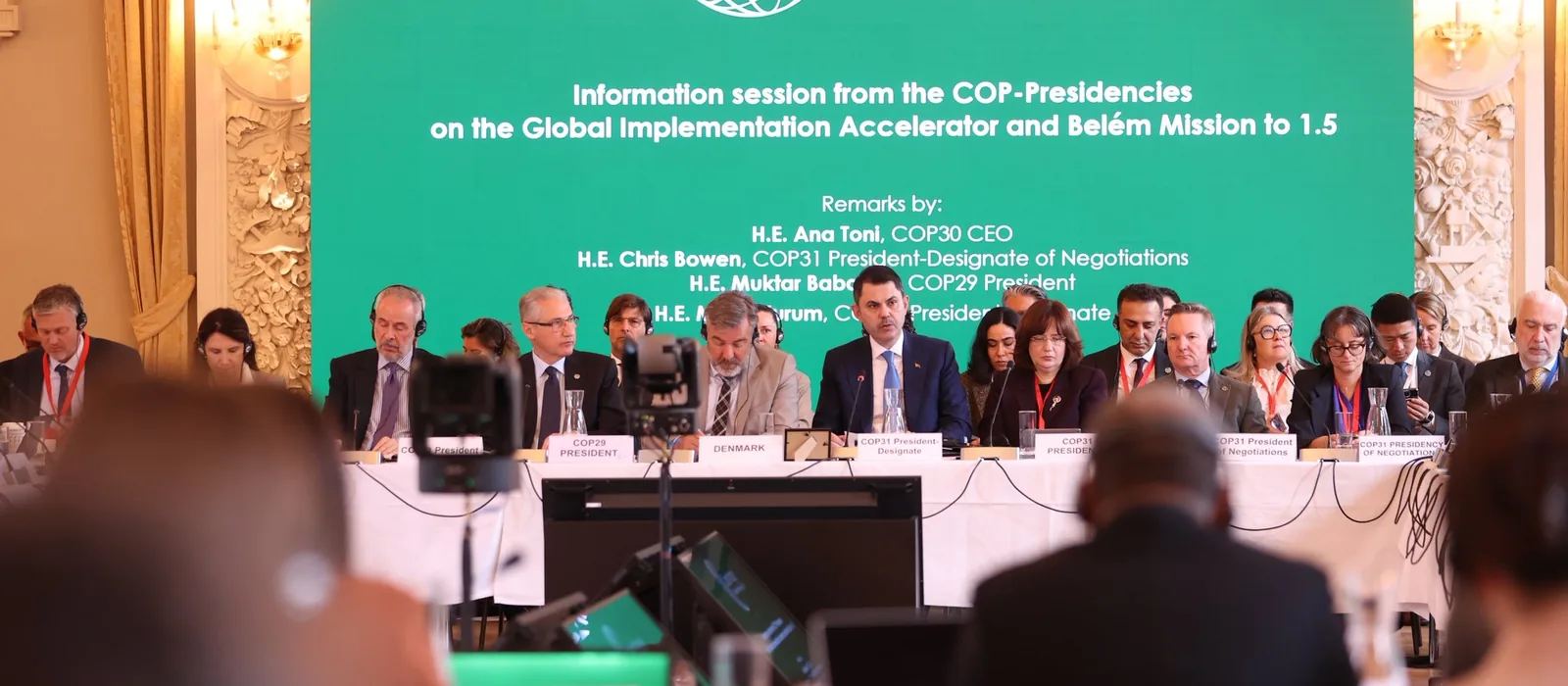
COP31 Başkanı H.E. Murat Kurum tarafından Kopenhag İklim Bakanlar Toplantısı açılış oturumunda yapılan konuşma — Kopenhag, 20 Mayıs 2026 — elektrifikasyon üzerine küresel bir diyalog başlatma çağrısı.
Saygıdeğer Mevkidaşlarım, Sevgili Dostlar,
Hepinizi saygılarımla selamlıyorum. Başlarken Danimarkalı ev sahiplerimize, Selwin Hart’a, tüm Birleşmiş Milletler kuruluşlarına ve selefim André’ye ve sevgili dostum Chris’e samimi destekleri için teşekkür ediyorum.
Bu yıl birçoğunuzla Berlin’de Petersberg İklim Diyaloğu’nda, Paris’te COP31-Uluslararası Enerji Ajansı Üst Düzey Diyaloğu’nda, Santa Marta’da ve Bakü’de Dünya Kentsel Forumu’nda bir araya geldik. Bu toplantılarda elektrifikasyon teması öne çıktı ve bugün elektrifikasyon üzerine küresel bir tartışma başlatmak istiyoruz.
Bugün nihai enerji tüketiminin yaklaşık yüzde 20’si elektrikle karşılanıyor. Bu oranı mümkün olduğunca artırmayı hedeflemeliyiz. Hem elektrik üretimini karbonsuzlaştırmak hem de elektrifikasyonu hayatın her alanına yaymak gerekiyor. Bunu yaparken geleceğin teknolojilerini ölçeklenebilir biçimde erişilebilir kılmalı ve kimseyi geride bırakmamalıyız.
COP31 Başkanlığı’nın temiz enerji, temiz pişirme, dirençli şehirler ve sanayinin karbonsuzlaştırılması konularındaki Eylem Gündemi öncelikleri, bu konuda somut ilerleme sağlamak için kritik forumlar olacaktır. Uluslararası Enerji Ajansı, Uluslararası Yenilenebilir Enerji Ajansı ve Küresel Yenilenebilirler İttifakı gibi kilit kuruluşlarla hâli hazırda çalışıyoruz.
Birlikte ilerleme sağlamak ve elektrifikasyon oranını artırmaya yönelik küresel çabaya her birinizin ne katabileceğini duymak istiyoruz.
“Elektrifikasyon konusunda küresel bir diyalog başlatmak istiyoruz.”
<strong>Değerli Meslektaşlarım;</strong> İklim eylemine farklı perspektiflerden yaklaşan çeşitli koalisyonlar ve girişimler olduğunu biliyoruz. Her biri ortak hedeflerimize kendi yöntemiyle katkı sunabilir. COP31 Başkanlığı olarak sorumluluğumuzun farklı tarafların konuşması için alan açmak olduğunun farkındayız.
Sürecin Tarafların öncülüğünde ilerleyen yapısına saygı göstererek, müzakereler dışında da verimli diyaloglar yürütebileceğimiz alanların bulunmasının kritik olduğuna inanıyoruz. Küresel İklim Eylem Gündemi’nin yeni modeli kapsamında, pratik çözümler üzerinde iş birliği yapılabilecek forumlar olacaktır.
Tüm paydaşlarımıza Hükümetlerarası İklim Değişikliği Paneli’nin finansmanını güvence altına alma çağrısında bulunuyoruz. Ulusal yol haritalarının, kolektif eylemin ve Paris mekanizmasının temel yapı taşları olduğunu düşünüyoruz. En büyük etkinin yaratılabilmesi için bu yol haritalarının BM İklim Değişikliği Çerçeve Sözleşmesi çerçevesi içinde kalması ve Ulusal Katkı Beyanları (NDC) olarak sunulması; bunlara İki Yıllık Şeffaflık Raporları’nın (BTR) eşlik etmesi gerektiğine inanıyoruz. Ulusal Uyum Planları’nı çok önemsiyoruz. Yol haritalarının sistemi güçlendirmesi gerektiğini düşünüyoruz. Bu ivmeyi, Tarafların yön verdiği sürece ve ulusal koşullara saygı göstererek nasıl yapıcı biçimde değerlendirebileceğimize dair görüşlerinizi duymayı sabırsızlıkla bekliyoruz.
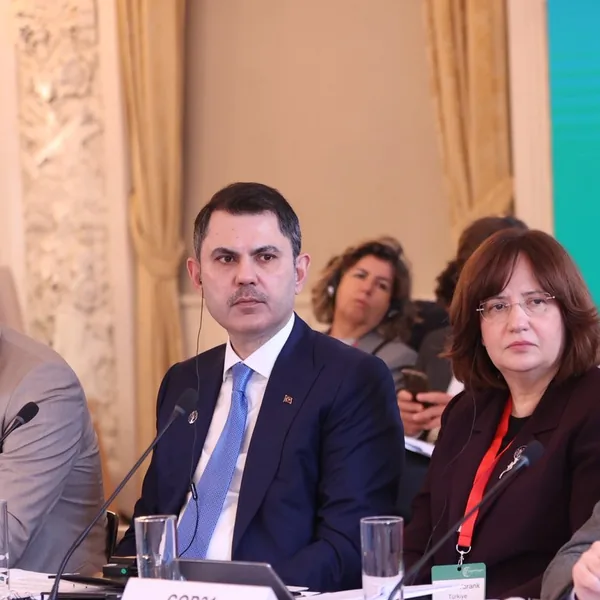
<strong>Sevgili dostlar,</strong> Küresel İklim Eylem Gündemi ile uyumlu tematik öncelikleri odaklanacağımızı hâli hazırda duyurduk. Okyanuslar ve kıyı toplulukları konusundaki odağımızı da vurgulamak isterim. Dünya genelinde kıyı topluluklarında yaşayan milyarlarca insanın gıda güvenliği açısından kritik öneme sahiptir.
Tam anlamıyla uygulama aşamasına geçmek için finansmanın önemini de defalarca duyduk. COP31 Başkanlığı olarak bu soruna iki yönden yaklaşıyoruz. Her şeyden önce, gelişmekte olan dünyaya yönelik iklim finansmanını ölçeklendirmek için atabileceğimiz pratik adımlara bakıyoruz. Bunu; Küresel Uygulama Hızlandırıcısı, ilave bir mekanizma ve Bakü’den Belém’e Yol Haritası’nın tavsiyelerini hayata geçirmek üzere tüm aktörlerle birlikte çalışarak yapacağız. COP31’in, uluslararası özel sektör aktörlerinin iklim finansmanını harekete geçirmek için iş birliği yapabileceği bir yer olmasını istiyoruz.
Donörleri 300 milyar ABD dolarlık Bakü Finansman Hedefi kapsamındaki taahhütleri konusunda sorumlu tutacağız. İmtiyazlı ve hibe temelli kamu finansmanı; özellikle ekonomisi gelişmekte olan ülkelerin uyum sağlayabilmesi, direnç inşa edebilmesi ve kayıp-zarara yanıt verebilmesi için elzem olacaktır. Erişilebilirliği artırmak için finans kuruluşlarıyla çalışmayı sürdüreceğiz. Bu amaçla, BM iklim fonlarından sağlanan kaynağı 2030’a kadar üç katına çıkarmaya çalışacağız. Yeşil İklim Fonu’nun bu yıl yeniden kaynağa ulaşması kritik önem taşıyor. Ayrıca gelişmiş ülkeler, Bakü Finansman Hedefi’ne düşen adil paylarını nasıl karşılayacaklarını göstermek üzere bu yıl ilk iki yıllık bildirimlerini sunmalı.
Küresel iklim eylemini desteklemekten söz etmek kolay, ama o <strong>sözü tutmak da gerekir.</strong> Eylem Gündemimizle süreci geliştirmeye ve somut sonuç üretme aşamasına geçişi hızlandırmaya kararlıyız. Ve Donörleri yükümlülüklerini yerine getirmeye ve çok taraflı iklim sürecinin temellerini savunmaya çağırmayı sürdüreceğiz.
Şimdi sözü sevgili dostum ve meslektaşım Chris Bowen’a bırakıyorum. Hepinize teşekkür ederim.