




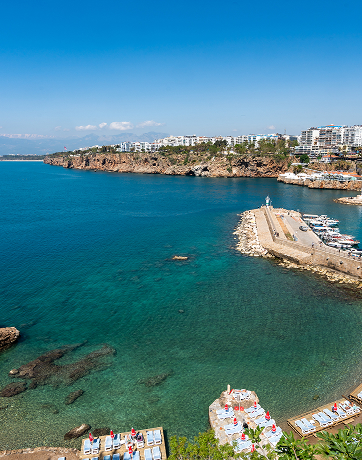

The City of Blue and Green: Antalya
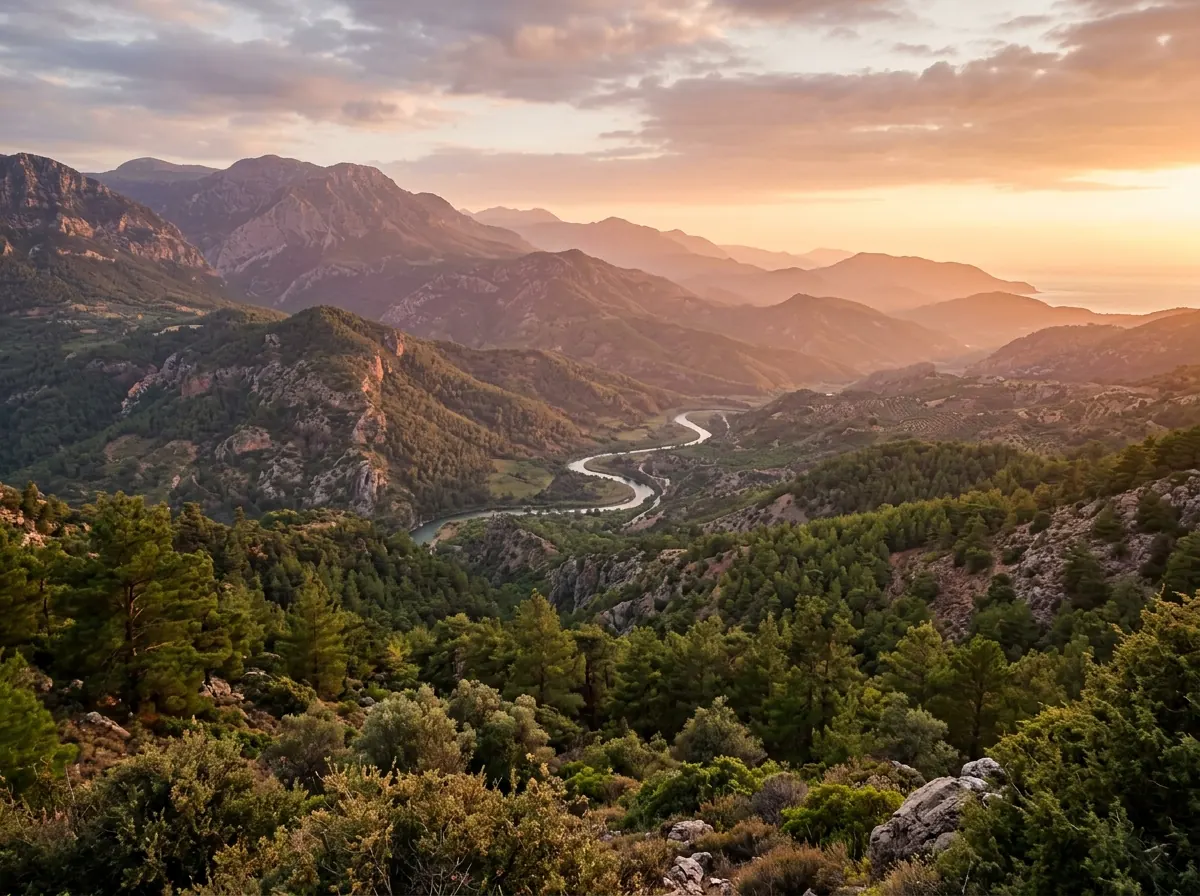
A vision for sustainable urban living where Mediterranean blue meets lush green landscapes.

From Göbeklitepe to the GlobalNet Zero Emissions Goal
Where DialogueBecomes Global Action
From Consensusto Concrete Action


COP (Conference of the Parties) is the highest-level global climate summit held annually under the United Nations Framework Convention on Climate Change (UNFCCC), which was adopted in 1992. Bringing together heads of state, ministers, scientists, business leaders, and civil society representatives from around the world, COP serves as the primary platform for negotiating and advancing collective action to combat climate change. COP31 marks the 31st session of this global process and will be hosted by Türkiye in 2026.
Detail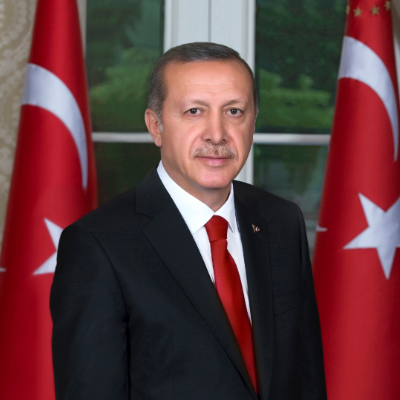
As climate change accelerates, our shared responsibility becomes clearer. Türkiye is honored to host COP31 in Antalya at a pivotal moment to move from negotiation to implementation. We invite all Parties to strengthen cooperation and turn commitments into concrete action.
The Story Of TürkiyeCOP31 builds on Türkiye’s tradition of dialogue and diplomacy. In a fragmented world, climate action requires trust, fairness and implementation.
Detail


 COP31 Action Agenda


 Action Agenda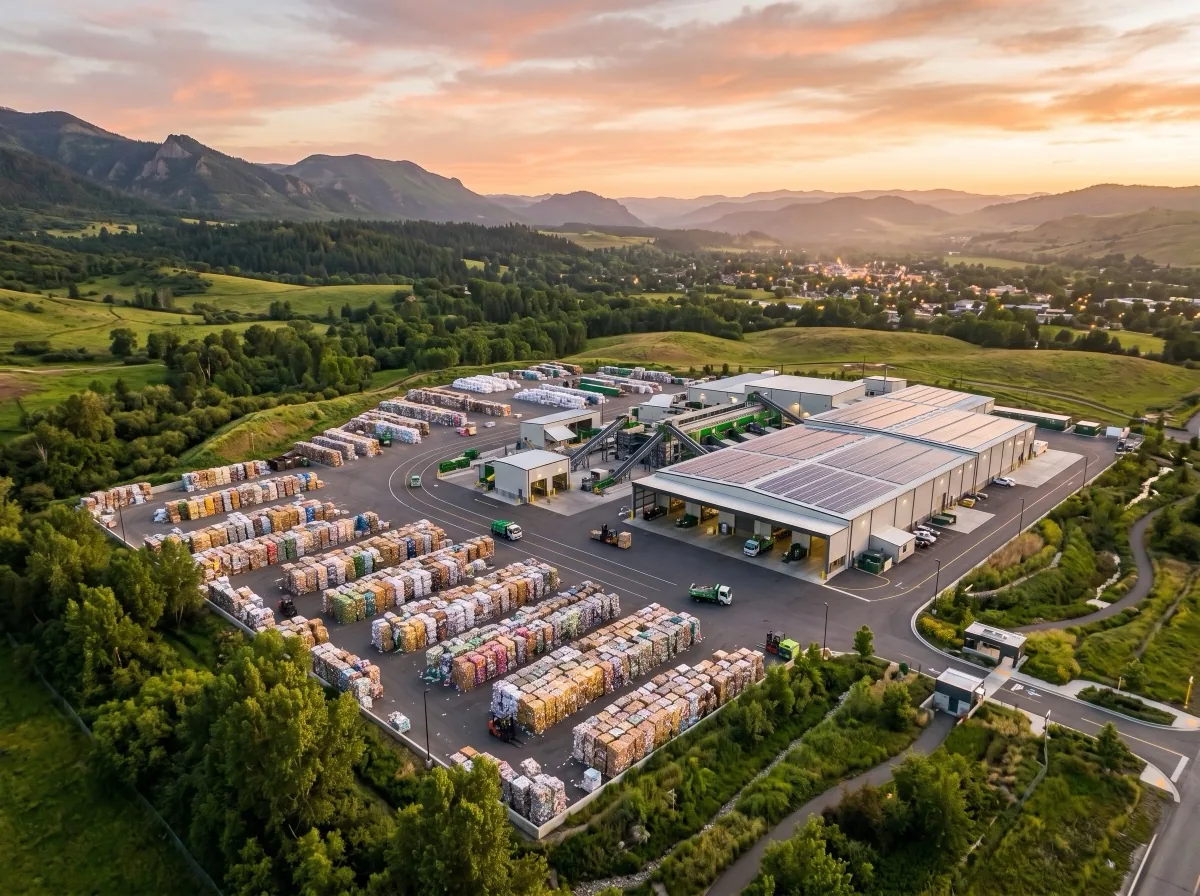
Unlocking the climate action potential of waste management through scalable circular economy solutions.

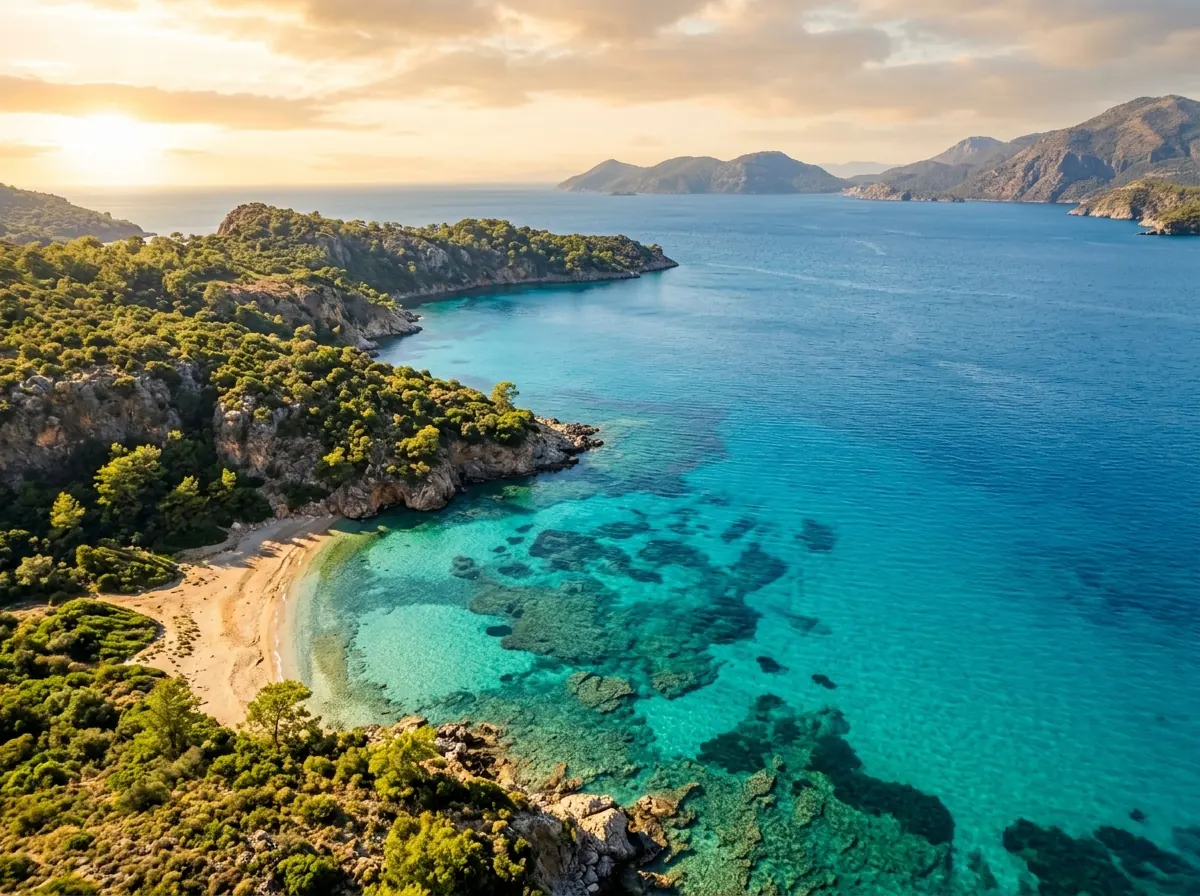
Protecting marine ecosystems and unlocking blue carbon for climate resilience.
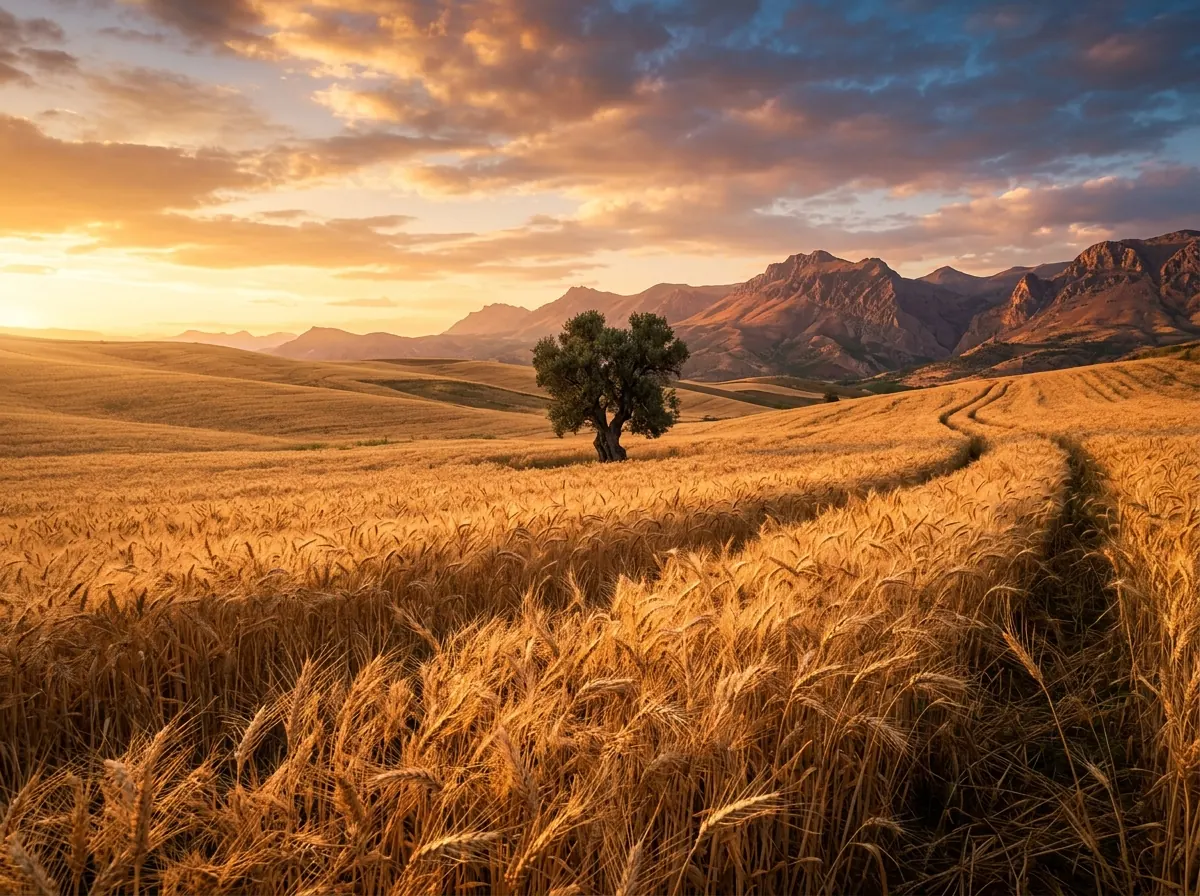
Advancing the global transition toward sustainable and resilient food systems.
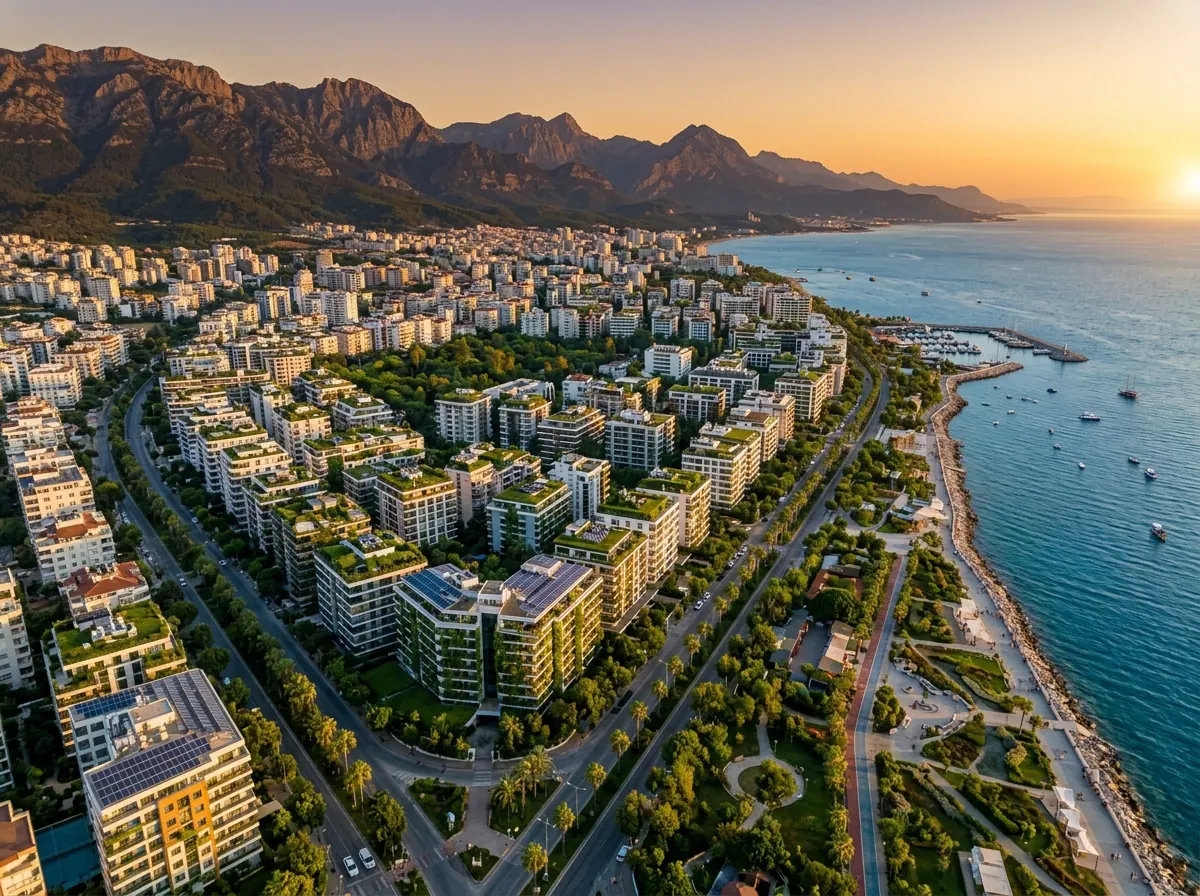
Climate-resilient cities to ensure liveable places for everyone.
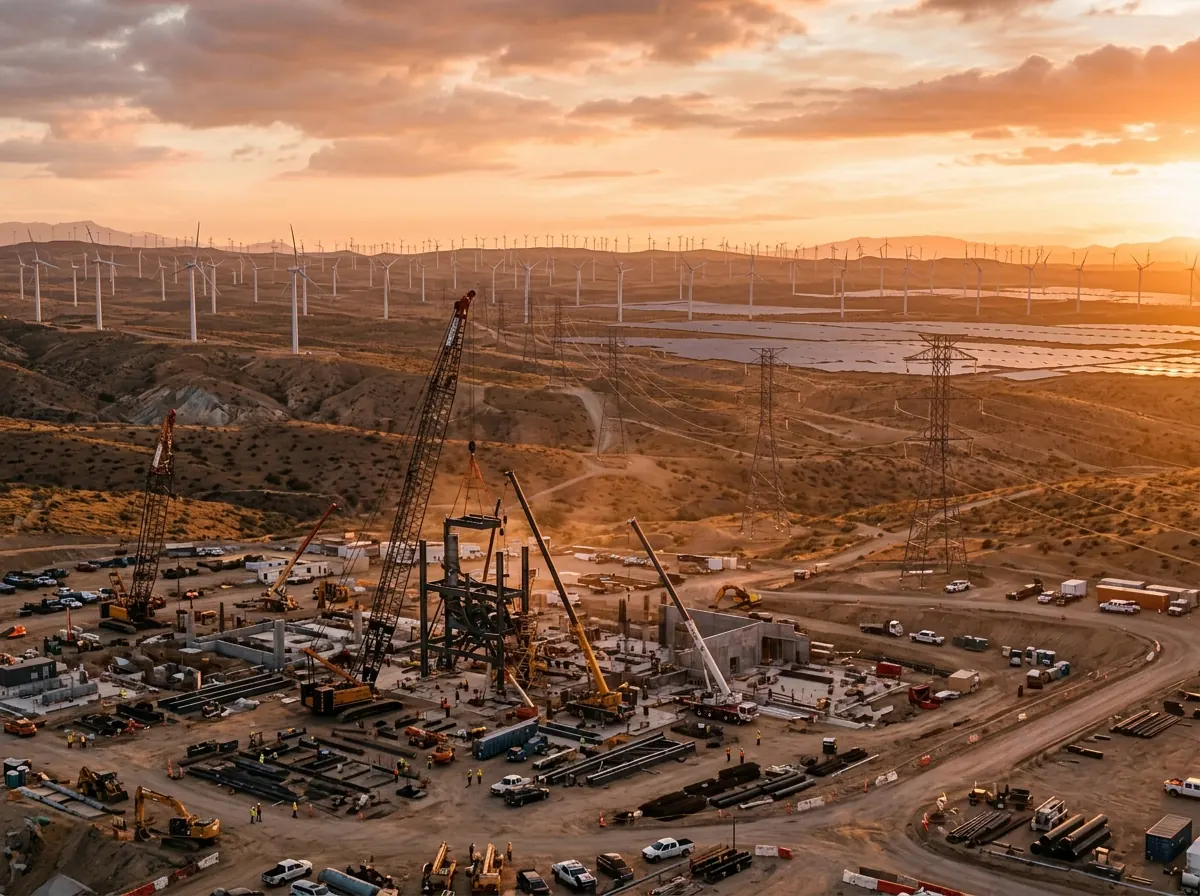
From commitments to implementation — bridging priorities, investment and delivery.

Young people as architects of climate solutions, not just inheritors of climate risks.
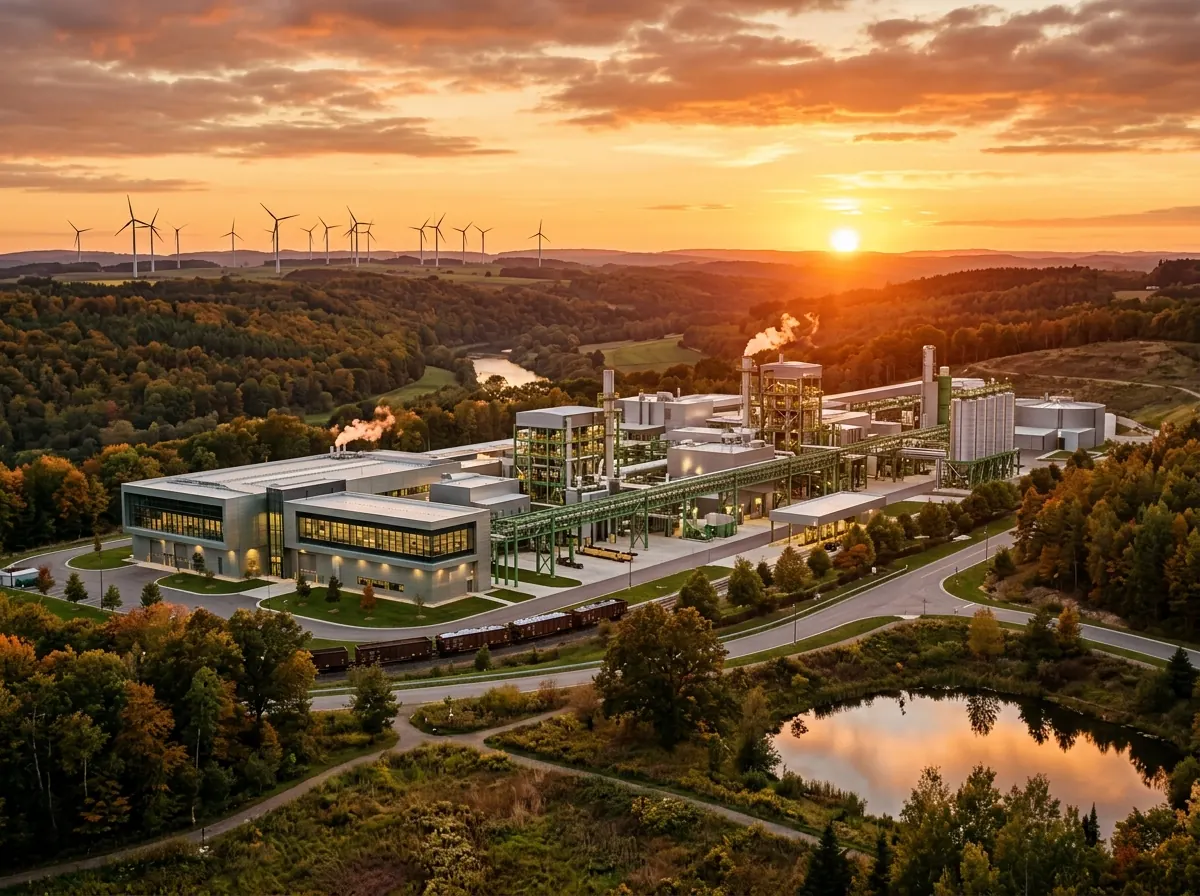
Low-carbon industrial pathways that support development, competitiveness, and just transition.
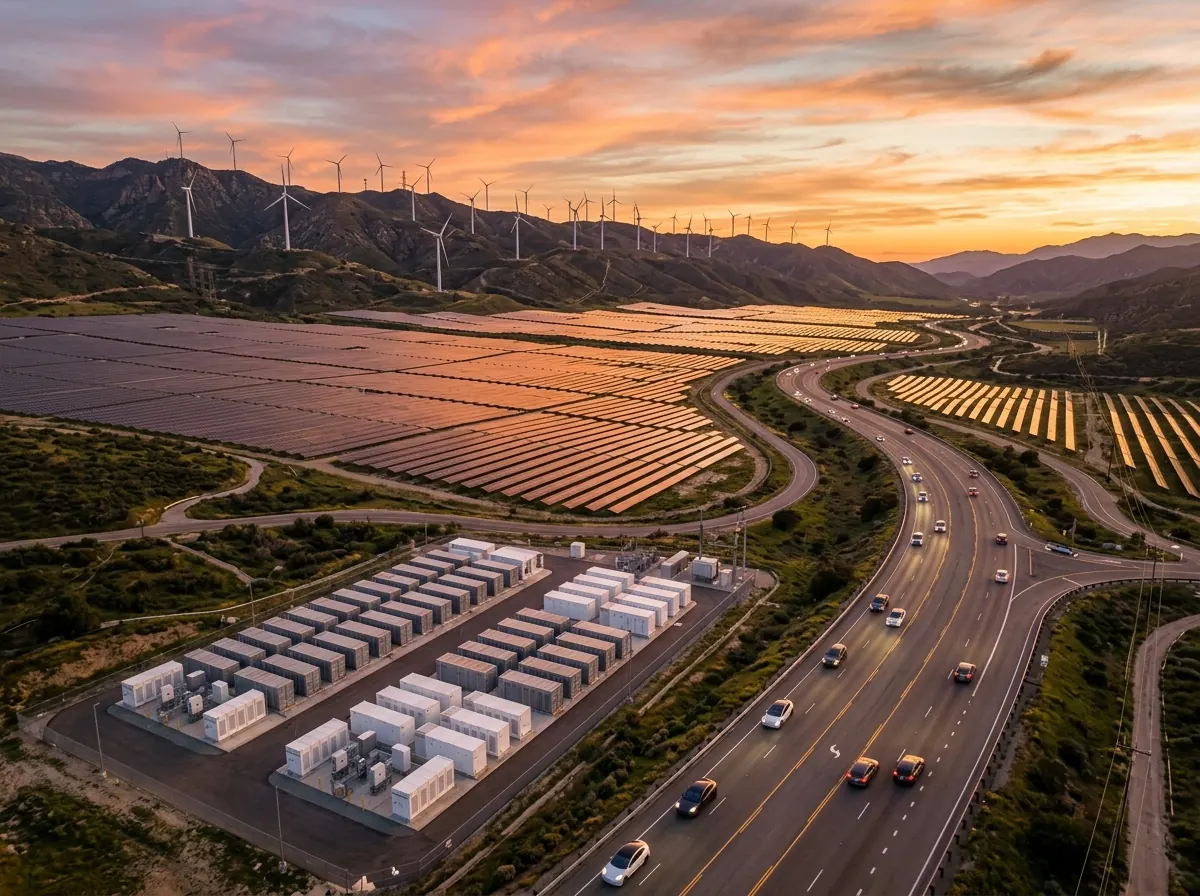
Clean, secure, and affordable energy for all — accelerating access while ensuring reliability.
Integrated solutions where climate, biodiversity, and desertification converge.
Building climate-resilient, low-carbon and equity-focused health systems for the future.
 Venues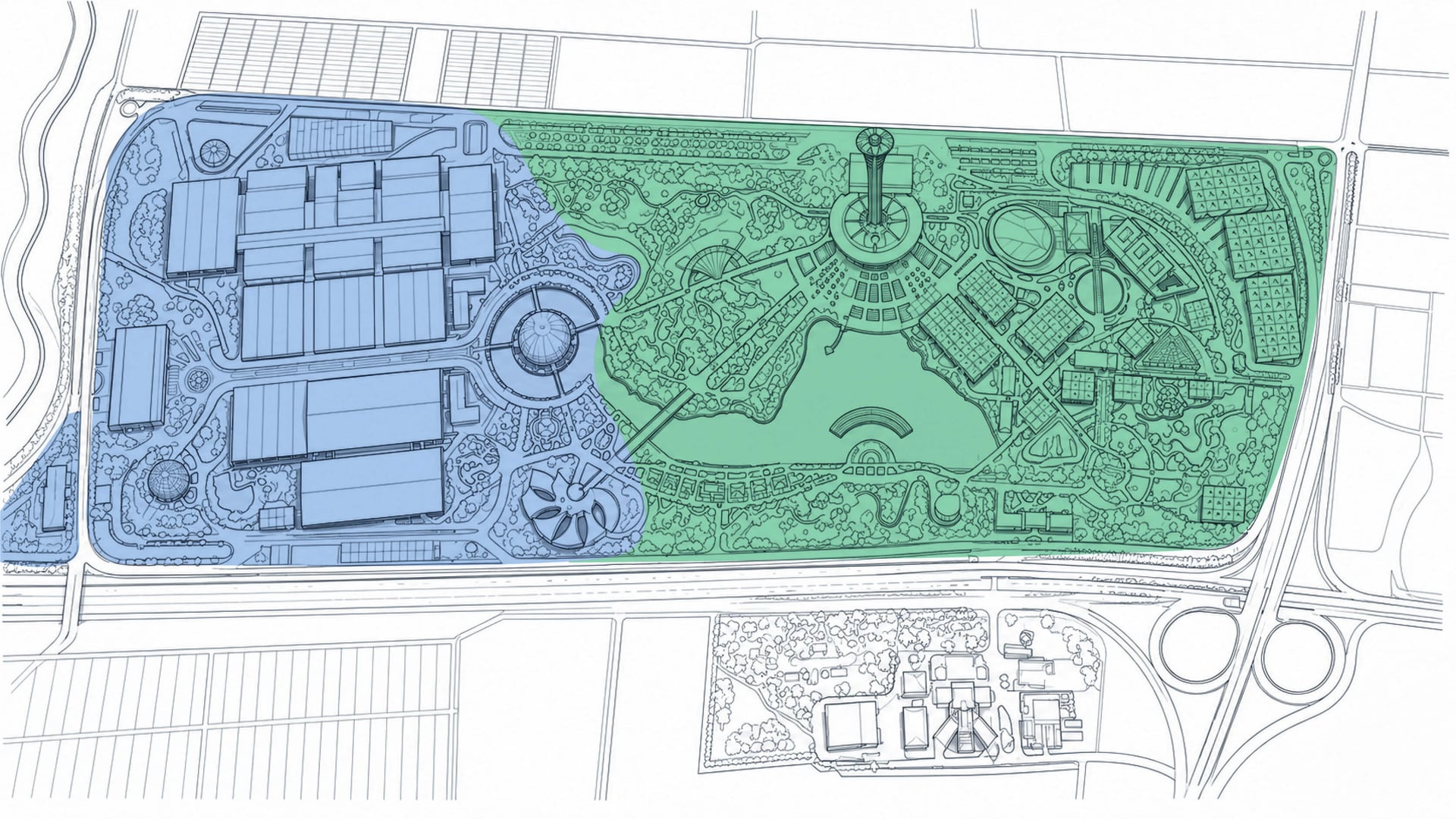
The Meeting Point of Global Climate Dialogue
A vision for sustainable urban living where Mediterranean blue meets lush green landscapes.
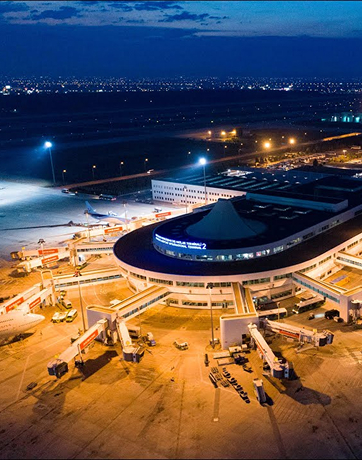

A major hub connecting Antalya to the world with modern infrastructure and global routes.
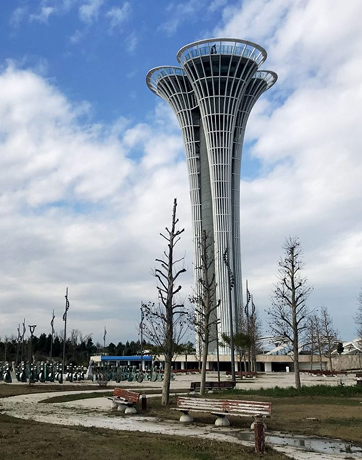

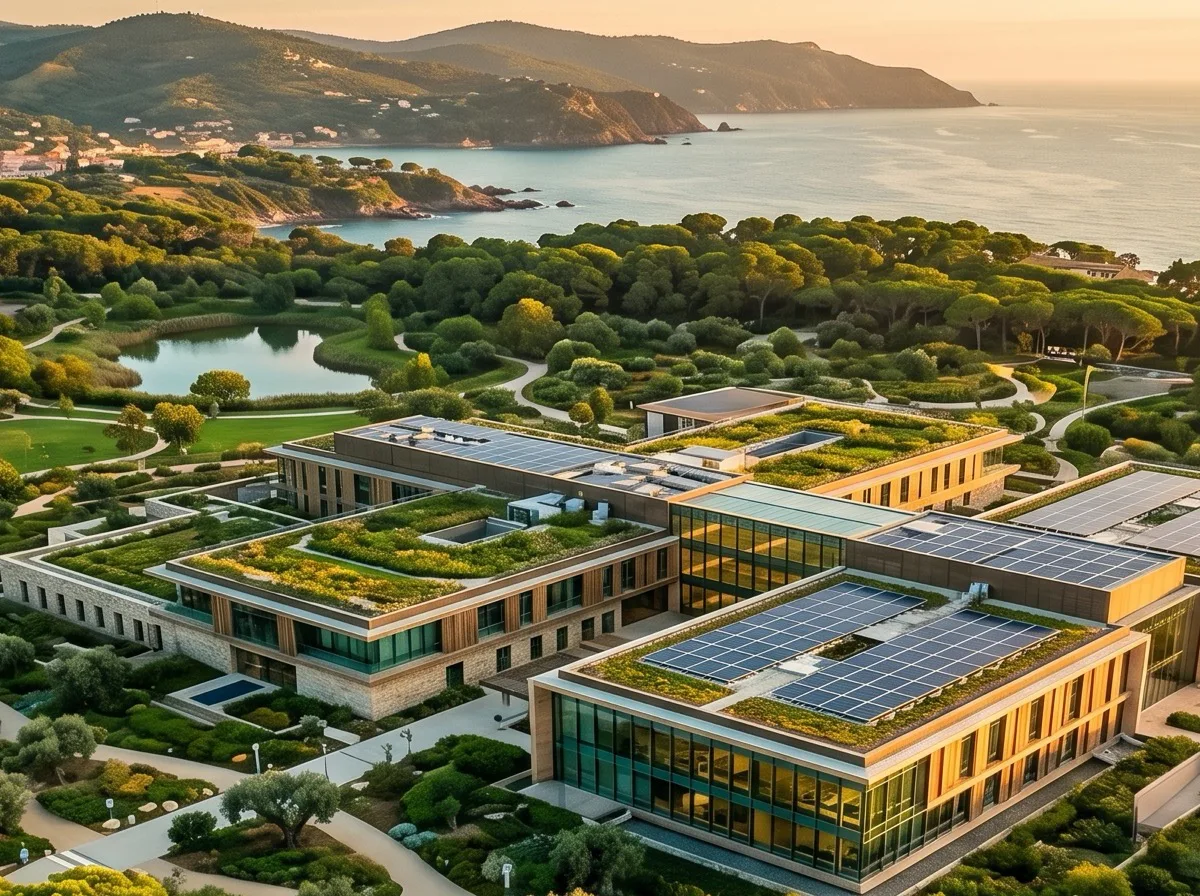
World-class facilities and capacity to host COP31 delegates, exhibitions, and high-level sessions.
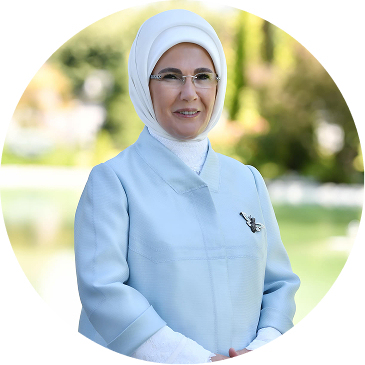
“The climate crisis is not only an environmental issue, but also a matter of moral responsibility. Leaving a fairer, more livable and sustainable world to future generations requires us to rethink our consumption habits, production models and our relationship with nature.”
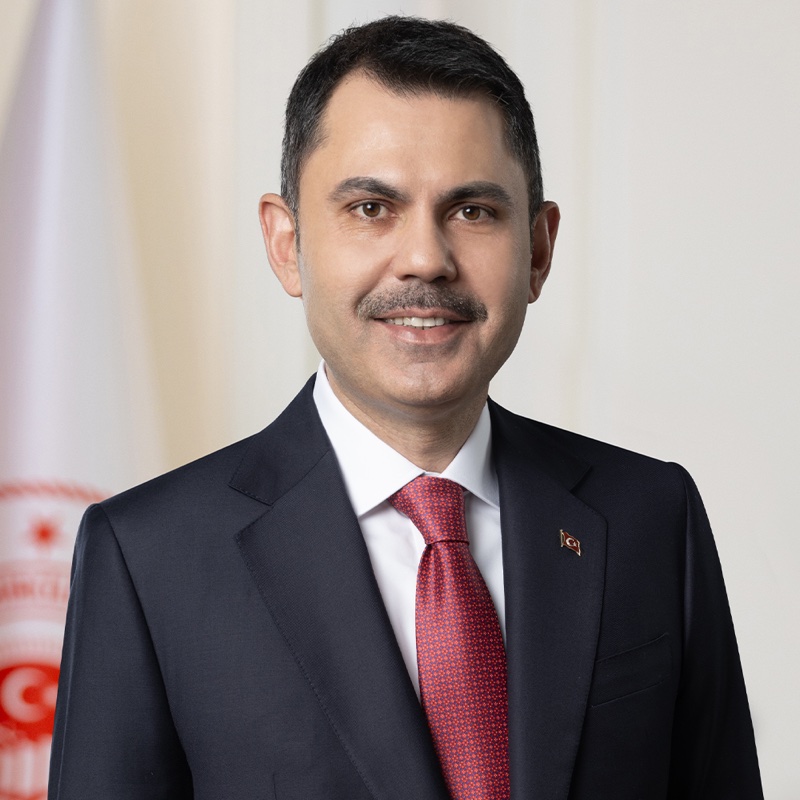
“COP31 will be a meeting point for dialogue, consensus and action in climate diplomacy. Türkiye's goal is to bring all Parties together around shared solutions in Antalya and to make COP31 an implementation-focused summit that delivers results and accelerates global climate action.”
Dive into the deep with Caretta

Caretta, the ancient traveller of Antalya's shores and little ambassador of climate action. On its own page it takes you underwater, tells COP31's ocean story — and answers your questions in a live chat.
 Media Hub
Media registration for COP31 is now open through the UNFCCC Online Registration System. Dedicated hotel allocations and shuttle transportation have been arranged for media representatives in Antalya.
 Wed, Aug 5
The COP-SCIENCE platform has been established to strengthen the contribution of the academic community to climate action within COP31. Proposals for academic events, research, projects and collaborations can be submitted through the platform.
Fri, Jul 17
The COP31 Presidency has opened applications for Partnerships and Türkiye Pavilion Side Events. National and international stakeholders may apply through the official portals until 14 August 2026.
Wed, Jul 1Visitor InformationEverything you need to know about COP31, participation, venue, and program details.
See AllCOP (Conference of the Parties) is the annual UN climate summit where nearly 200 countries negotiate climate agreements. COP31, hosted by Türkiye in Antalya, is critical for accelerating implementation of the Paris Agreement and scaling climate finance.
COP31 welcomes accredited delegations, observers, media, and civil society partners. Public engagement opportunities are available through the Green Zone, which is open to all.
The COP31 Action Agenda highlights ten priority themes: Zero Waste, Oceans and Seas, Food Security, Climate-Resilient Cities, Powering Climate Action, Youth and Education, Green Industrialization, Clean Energy Transition, Rio Synergy, and Dynamic and Resilient Health Systems. Finance, technology, and capacity building serve as horizontal enablers across all themes.
The Blue Zone is open only to accredited participants for official negotiations. The Green Zone is open to the public with exhibitions, events, and awareness activities.