COP31 promotes green skills for children and youth to electrify the global economy

COP31 PROMOTES GREEN SKILLS FOR CHILDREN AND YOUTH TO ELECTRIFY THE GLOBAL ECONOMY
- Education Ministers and international organisations join the COP31 Presidency in supporting the development of the skills needed to address climate change and contribute to a more sustainable future.
- Antalya High-Level Dialogue on Children explores how electrification can deliver for the next generation.
- Youth-Climate Forum enables children and youth to participate in climate policymaking.
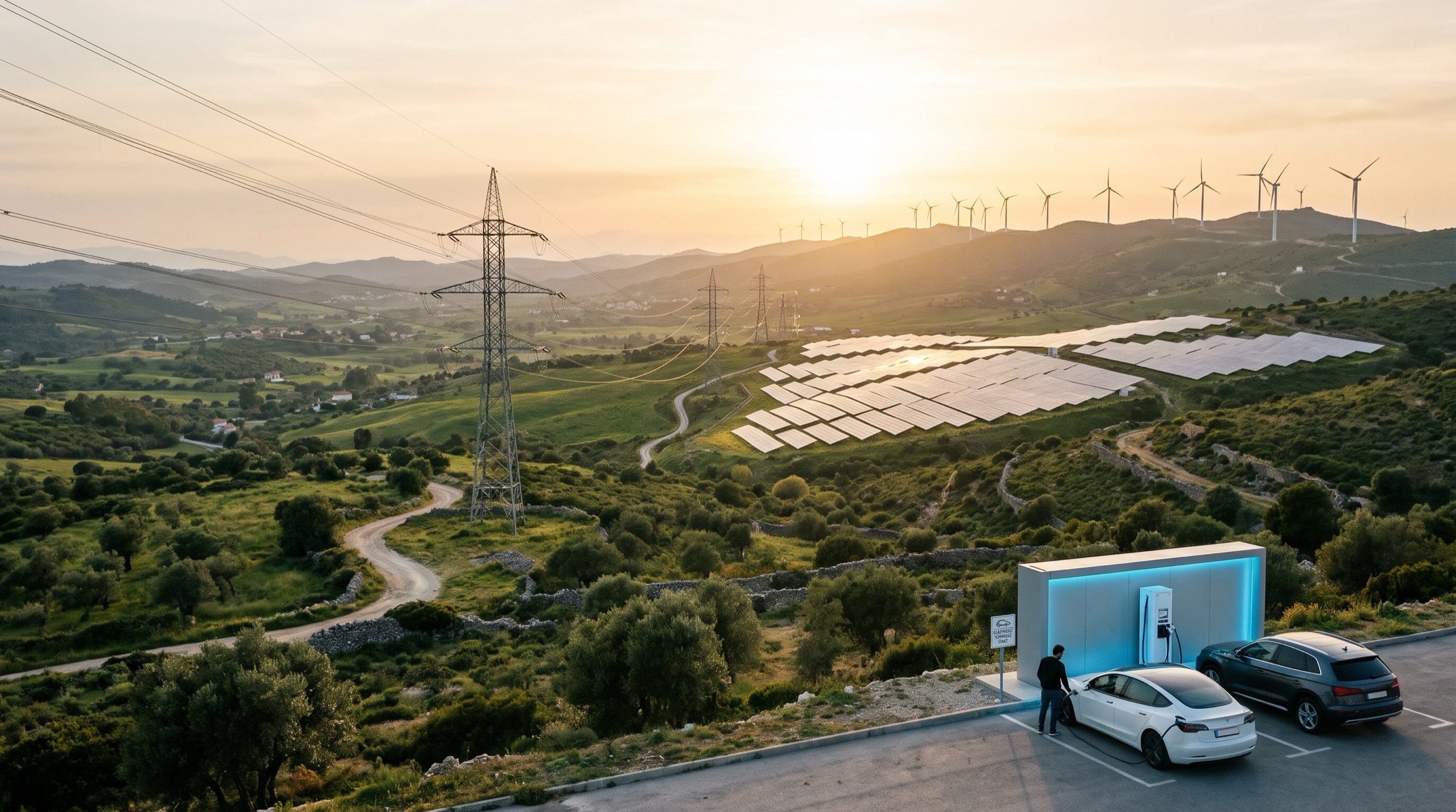
ANTALYA, Nov 15 – In remarks on Children, Youth, Education and Skills Day, COP31 President Murat Kurum issued a clear message that global electrification can strengthen tangible safeguards for children and youth. The COP31 President highlighted the significance of the Presidency’s 35-by-35 electrification goal for future generations, noting that “The true value of our goal will be shown by the change it creates in our children’s lives. When the lights come on in a school, it means lessons can continue. Reliable electricity in a hospital means vaccines can be preserved and medical equipment can operate.”
“We must turn the energy transition into a transformation that strengthens children’s right to life,” he added.”
In a strong call to action, the COP31 President said: “I invite governments to prioritize children’s needs in climate and energy plans; I call on financial institutions, the private sector, and our international partners to invest in essential services and in the education of young people.”
The Children, Youth, Education and Skills day of COP31 saw the Presidency launch initiatives focused on developing early climate literacy and ensuring that climate action delivers for children and youth.
Mainstreaming Children and Youth in the Climate Process
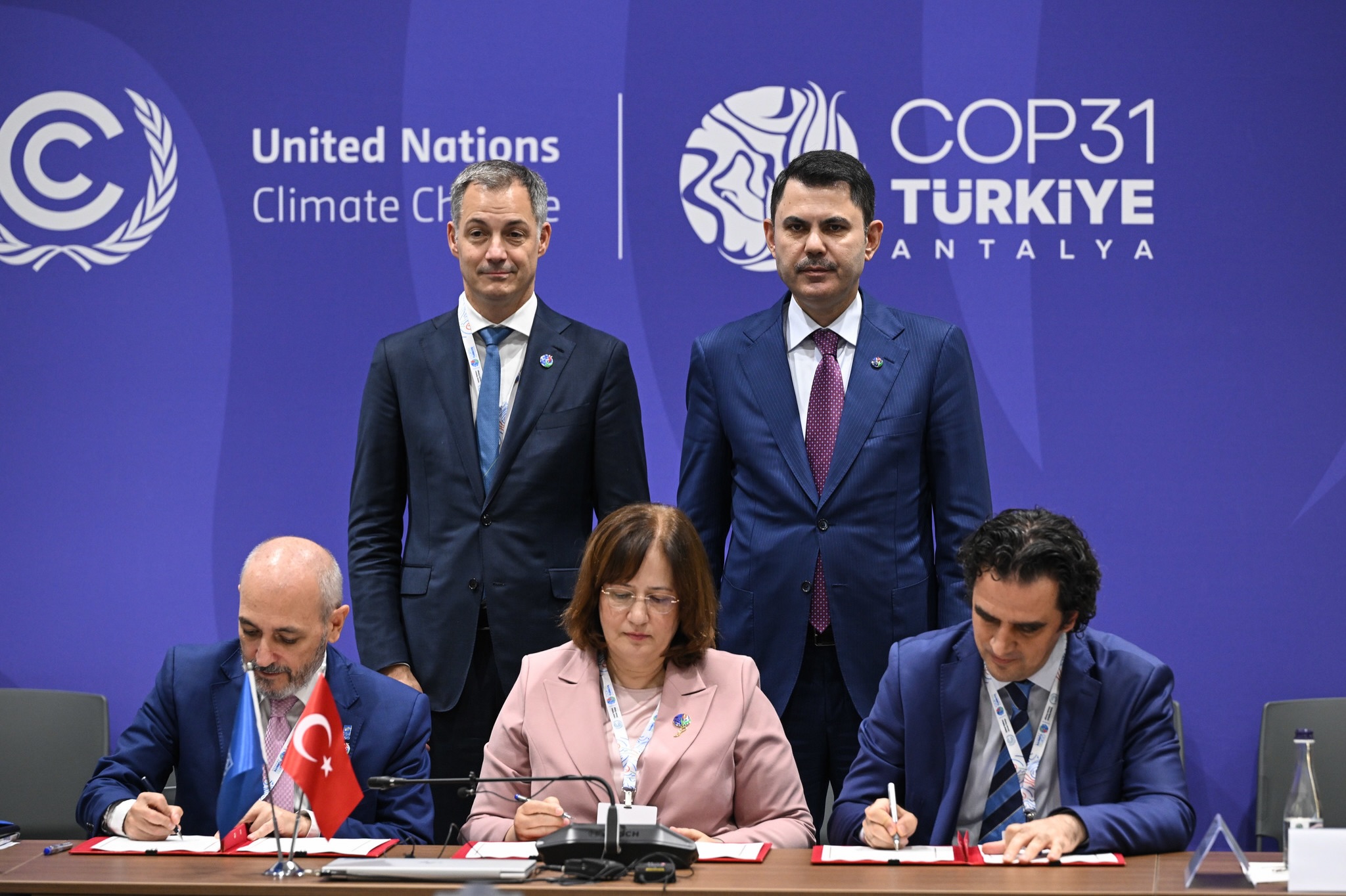
The COP31 Presidency, in partnership with UNICEF, launched the Antalya High-Level Dialogue on Children, Youth and Climate Resilience. The Dialogue was established as an annual platform focused on the issues that most affect children and youth. As a first priority, the Dialogue focused on global electrification. Namely, it addressed barriers to building energy systems, such as access to training, and it showcased how energy access and skills development can improve children’s wellbeing. By promoting dialogue between young people, governments, and other stakeholders, such as the energy sector, the dialogue supported youth participation in the climate process.
The Dialogue responds to the disproportionate impact of climate change on children and youth and the need to translate policy commitments into concrete implementation. Sally Higgins, the Presidency Youth Climate Champion, co-moderated the Dialogue. She also took part in various events after launching the Back Future Farmers initiative, aimed at boosting investment and improving access to land, capital and markets for young people in agriculture.
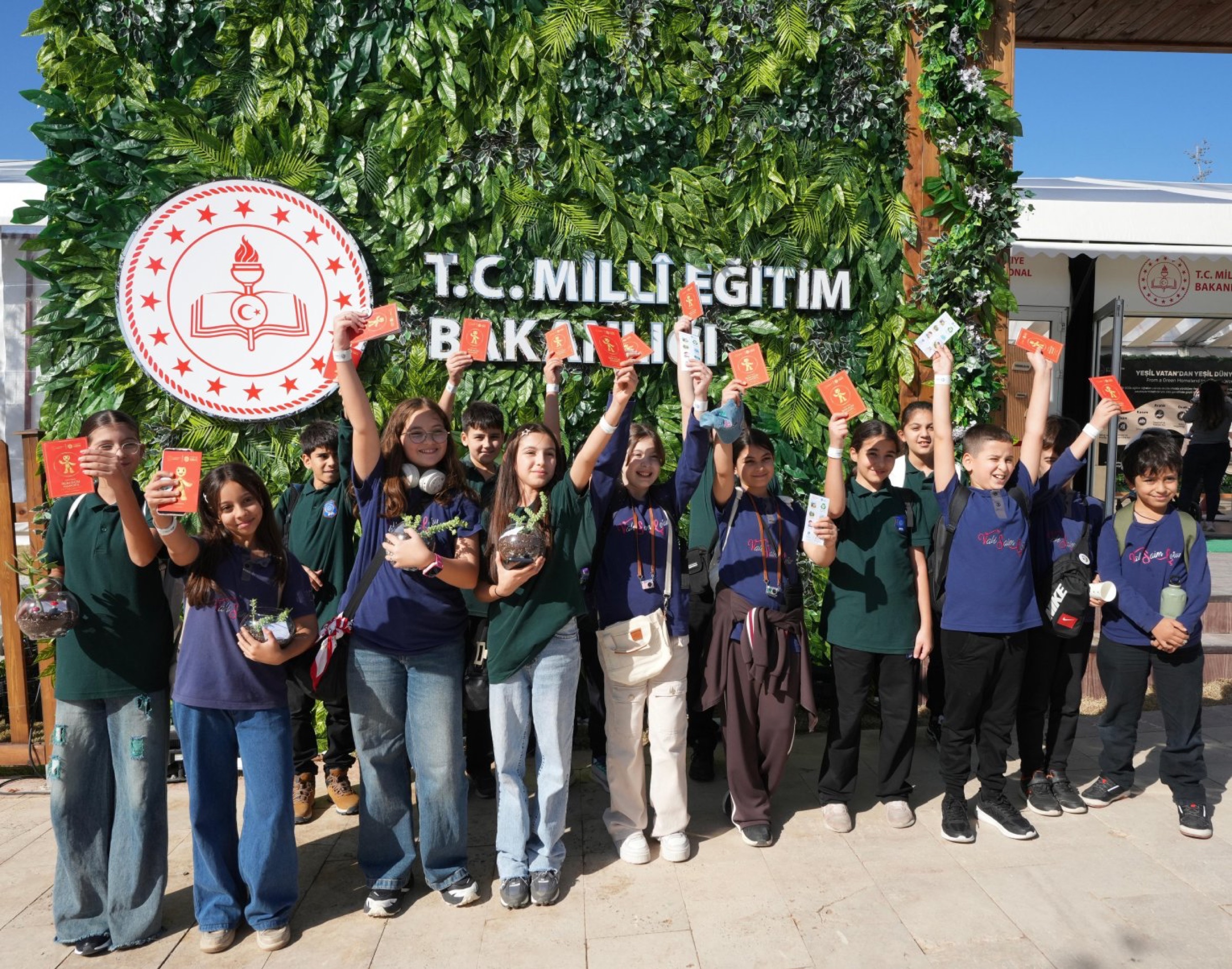
Children, Youth and Teachers at the Heart of Greening Education
Teachers are the heart of equipping children and youth with the skills they need to implement climate solutions. As many as 95% of teachers believe climate change should be taught at schools, according to UNESCO. However, only one third feels able to explain its impacts in their regional context. Strengthening teachers’ capacities for greening education is core to equipping children and youth with the skills they need to contribute to climate solutions.
In this context, the COP31 Presidency and Greening Education Partnership (GEP) hosted a High-Level Event alongside the Ministry of National Education of Türkiye, UNESCO, and the OECD, to advance the implementation of greening education. The Antalya Protocol for Action: Children, youth and teachers at the heart of greening education, builds on the work of the GEP to advance an approach that makes children, youth and teachers central to climate action.
Youth-led Climate Forum Fosters Dialogue Between International Youth and Parties
Also on Day 6, young people from around the world joined the 2026 Youth-Led Climate Forum, an event that enables children and youth to participate in the process of policymaking in direct conversations with negotiators. In addition to discussions held on Children, Youth, Education, and Skills day, the Forum supports continued youth engagement – an objective in full alignment with the COP31 Presidency’s efforts to include children and youth in climate processes.
Supporting Quotes
COP31 Presidency Youth and Climate Envoy, Huseyin Atakan Kubat said: “*In Paris the world set the goal; in Dubai, the direction. Antalya offers the opportunity to become the conference of implementation. This pledge can be the bridge between commitment and action, and young people are ready to walk across it with you.”*
Presidency Youth Climate Champion, Sally Higgins said: “Young people are already leading climate solutions and mobilising communities worldwide. The shift to clean energy isn’t just about technology - it’s about people and opportunity. By equipping youth with the skills to thrive and opening real pathways for them to shape decisions and build careers, we can accelerate climate action and build a sustainable future for everyone.”
UNICEF Global Director for Climate and Environment, Gernot Laganda said: "Reliable, sustainable electricity can make a real difference in children’s lives. It keeps schools lit so children can learn, enables health facilities to provide essential care, and keeps water systems running. By expanding access to clean, reliable energy, we can strengthen community resilience to climate shocks and create job opportunities for young people. Every child should benefit from the transition to a sustainable energy future."
UNESCO Director, Division for Peace and Sustainable Development, Christopher Castle said: "Greening schools and curricula is one of the most powerful ways to address climate change over the long term. Led by UNESCO, the Greening Education Partnership brings together more than 100 countries and 2,000 organizations to integrate climate science and solutions into education systems and make schools more resilient to climate impacts. Thanks to this global mobilization, 73% of countries now include climate education in their curricula, empowering young people to be part of the solution.”
ENDS
Notes to editors
- COP31 is the 31st Conference of the Parties to the UN Framework Convention on Climate Change and takes place in Antalya, Türkiye, from 9–20 November 2026
- For more information regarding the COP31 Presidency and requests to be added to the media list, please contact COP31 Presidency at media@cop31.tr
- For more information regarding the COP31 President of Negotiations and requests to be added to the media list, please contact: COP31mediaoperations@dcceew.gov.au
- For more information regarding UN Climate, please contact the UNFCCC at press@unfccc.int
- For official photography from COP31 Presidency events and activities, visit the COP31 Flickr
- For official photography from all other COP31 events and activities, visit the UNFCCC Flickr
- Latest updates from the COP31 Presidency can be found here: COP31 Türkiye Antalya 2026 UN Climate Change Conference
- Latest updates from the COP31 President of Negotiations can be found here: COP31 | Australia-Pacific Partnership for COP31