Antalya Ocean and Seas Compact

1. We, as the COP31 Presidency, present the Antalya Ocean and Seas Compact to accelerate implementation of ocean-based climate action through stronger partnerships and improved access to finance. The Compact draws on feedback from Parties and partners and on the Blue Thread linking the Istanbul Ocean and Seas Workshop and the Trabzon High-Level Segment, the Ocean Solutions Dialogue during the high-level week of the United Nations General Assembly, and the Pacific Pre-COP in Tuvalu and Fiji. The Antalya Ocean and Seas Compact seeks to advance practical, coherent implementation of ocean-based climate action under the United Nations Framework Convention on Climate Change and the Paris Agreement, including efforts to limit temperature increase to 1.5°C above pre-industrial levels. Building on relevant UNFCCC outcomes, it aims to connect existing initiatives, including those under the COP31 Action Agenda, where appropriate, without establishing new obligations or mechanisms.
2. We recognize the fundamental role of the ocean and seas in regulating the global climate system and the close connection between ocean health, biodiversity and human well-being. We also seek to ensure that the political attention generated in Antalya translates into sustained action and measurable benefits for the ocean and seas, climate and communities that depend on them. With this understanding, we invite Parties, as appropriate, to work through Regional Seas Conventions, Programs, Action Plans and other existing regional arrangements to strengthen ocean-related climate action, scientific cooperation, access to technology and finance and capacity-building, taking account of regional priorities and the needs of coastal communities.
3. As the first United Nations Climate Change Conference held on the shores of the Mediterranean, COP31 draws attention to the region’s climate challenges. The Mediterranean is a climate change hotspot, where heat waves, wildfires, droughts and floods threaten food security, biodiversity, coastal resilience and livelihoods. In this context, we underline the importance of strengthening regional dialogue and cooperation among Mediterranean countries, building on existing institutional frameworks and relevant voluntary initiatives including under the COP31 Climate Action Agenda. We also recognize the establishment of the Climate Change Regional Activity Centre (CC/RAC) in Istanbul, under the UNEP/MAP–Barcelona Convention system, as an important contribution by Türkiye to regional cooperation on climate change.
4. We recognize the ocean-climate nexus as an aspect of climate action, reflecting the COP31 Pacific Partnership pillar on “Elevating the Ocean-Climate Nexus” and work undertaken with Australia in its role as Negotiations Presidency. Building on the UNFCCC Ocean and Climate Change Dialogues, including the 2026 UNFCCC Ocean and Climate Change Dialogue on synergies and international cooperation, we recognize the importance of strengthening its contribution to practical implementation of ocean-based climate action, including through relevant existing UNFCCC processes, within their existing mandates, to advance ocean-based climate action. We invite relevant existing initiatives under the Action Agenda initiatives, including the Blue Package, to support these priorities through existing partnerships and arrangements.
5. Marine pollution, ocean warming, acidification, deoxygenation and biodiversity loss, together with sea-level rise and extreme events, undermine the climate-regulating functions and ecosystem health of ocean and seas and pose risks to global food security, livelihoods, resilience and sustainable development of coastal communities. Failure to address these interconnected pressures will increase climate risks and costs, especially for the most vulnerable. These impacts are particularly acute for SIDS and low-lying coastal communities, including the profound and long-term consequences of climate change-related sea-level rise.
6. We invite Parties, in accordance with the conventions and agreements to which they are party, to advance complementary action on climate change, biodiversity, pollution prevention, ocean acidification and sea-level rise. Relevant examples inter alia include the United Nations Framework Convention on Climate Change, the Paris Agreement, the Convention on Biological Diversity, and the Agreement under the United Nations Convention on the Law of the Sea on the Conservation and Sustainable Use of Marine Biological Diversity of Areas beyond National Jurisdiction (BBNJ Agreement), each within its respective scope. Recognizing the complementary contributions of these instruments, we invite Parties to identify opportunities for mutually supportive implementation of relevant obligations and commitments, as applicable. Such interaction should build on the strengths of existing institutions and processes, rather than creating parallel arrangements.
7. We encourage Parties, as appropriate and in line with national circumstances and priorities, to strengthen consideration of ocean-related mitigation, adaptation and resilience in existing national planning and implementation processes, including, where relevant, Nationally Determined Contributions (NDCs) and National Adaptation Plans (NAPs), drawing on available scientific evidence and relevant experience, without duplicating established processes and mechanisms.
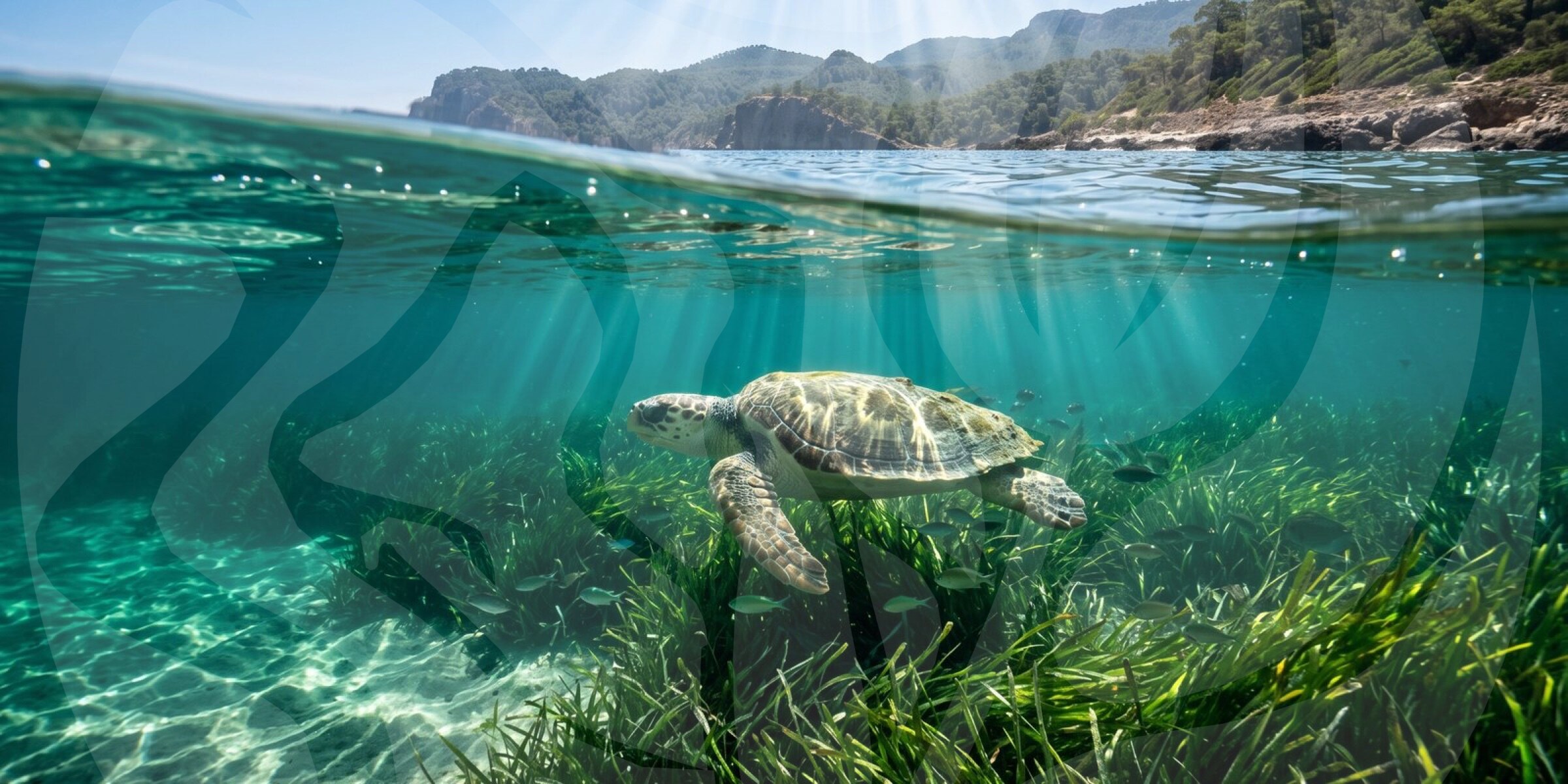
8. We encourage climate action that protects, conserves and restores mangroves, seagrasses, coastal wetlands, coral reefs and other vulnerable marine and coastal ecosystems, including through ecosystem-based approaches and nature-based solutions, to advance climate adaptation and resilience, support carbon storage and biodiversity. We recognize, as applicable, Target 3 of the Kunming-Montreal Global Biodiversity Framework, including its aim to conserve and effectively manage at least 30 per cent of coastal and marine areas by 2030, commonly referred to as “30x30”, through marine protected areas and other effective area-based conservation measures that are equitably managed. We further recognize the potential of sustainable blue economy activities to contribute to mitigation, adaptation and resilience of livelihoods, while protecting marine biodiversity and supporting coastal communities.
9. We recognize that a sustainable blue economy can support climate mitigation and adaptation, strengthen livelihoods, create jobs and contribute to economic growth while protecting marine biodiversity and preventing and reducing marine pollution.
10. We encourage climate-resilient and sustainable use of marine resources, including sustainable fisheries and aquaculture, responsibly developed offshore renewable energy, and electrification and emissions reductions in coastal activities, consistent with environmental safeguards, food security and community needs.
11. We recognize sustained ocean observations, forecasting, early-warning systems and scientific capacity as important foundations for effective climate action. We emphasize the need to strengthen these capabilities in developing countries particularly vulnerable to climate change, taking into account their capacity constraints and disproportionate exposure to climate impacts. We invite relevant institutions and partners to improve access to finance, appropriate technologies and capacity-building through existing channels, including technical assistance, simpler access procedures and support for preparing investment-ready implementable projects.
12. We underline that only a limited share of climate finance reaches ocean-related priorities, despite the critical role of coastal and ocean systems in climate change adaptation and mitigation. We also recognize the importance of greater mobilization and more effective deployment of accessible, fit-for-purpose and equitable finance for the sustainable ocean economy from a wide variety of sources, public and private, bilateral and multilateral, including philanthropic, development and alternative sources. We encourage, as appropriate, investment approaches that connect grants, concessional finance, guarantees and other suitable instruments with locally-owned ocean and seas solutions that respond to national priorities and deliver equitable benefits for coastal communities. We invite relevant institutions and partners to improve access to finance through simpler procedures, technical assistance and project preparation. Partnerships between financing institutions and implementing partners, including through Climate Implementation Bridge developed by COP31 Presidency in cooperation with UNDP, can strengthen project pipelines, support transparent monitoring and help finance adaptation and conservation activities with limited commercial returns.
13. We invite Parties and relevant partners to build on the momentum from COP31 by advancing practical ocean-based climate action through existing national, regional and international arrangements and mechanisms, including relevant initiatives under the COP31 Action Agenda. We encourage participating initiatives, where feasible, to identify their contributions to the Compact’s priorities and share progress through existing channels. We invite partners to carry the Blue Thread forward by turning the commitments and partnerships brought together in Antalya into tangible benefits for the ocean and the communities that depend on them.