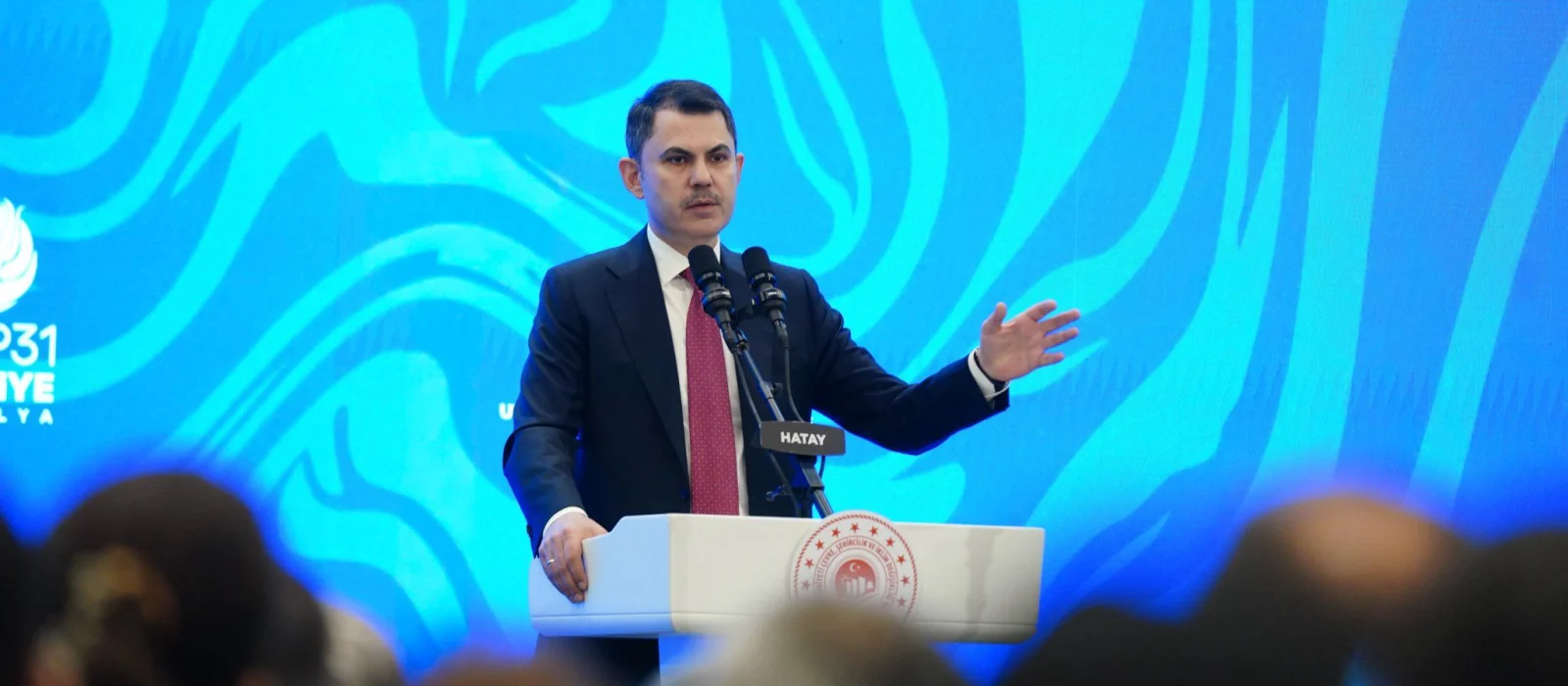
COP31 Leaders' Summit Opening Address

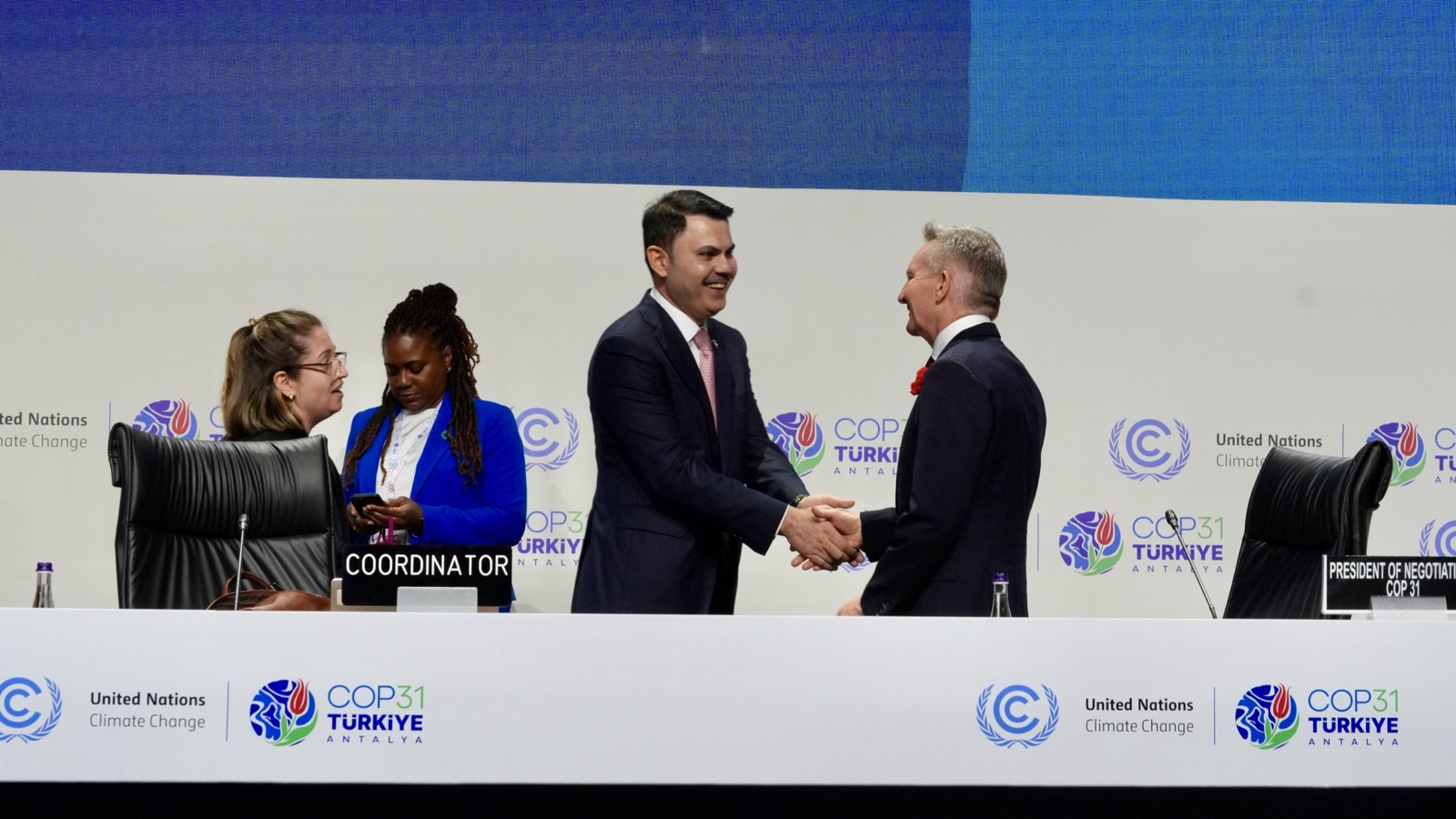
Mr President, Distinguished Heads of State and Government, Ladies and Gentlemen,
I warmly welcome you all to Türkiye and to our beautiful Antalya, the pearl of the Mediterranean. Let me take you back five centuries, to Istanbul. In the sixteenth century, the city’s demand for water was rising fast. Near Kağıthane, Sultan Suleiman the Magnificent saw water flowing through an old channel. He turned to the architect Sinan, asking him to survey the surrounding water sources and bring their water to the city.
Sinan walked the valleys and mapped the routes. Aqueducts rose to span the valleys. New channels carried water to Istanbul from kilometres away.
That decision met the needs of its day and served Istanbul for centuries.
The lesson is simple: in a few drops of water, Suleiman saw the future of a city. To govern with foresight is to read tomorrow’s needs in the signs of today. Our President Recep Tayyip Erdoğan’s vision for the Century of Türkiye brings that same long view to our Republic’s second century. With net zero emissions by 2053 as its goal, it expresses our resolve to shape our cities, energy systems, industry, technology and environment with generations to come in mind.
The earthquakes of 6 February 2023 brought home to us, once more, why that long view matters.
We responded to that immense suffering with one of history’s largest reconstruction efforts, determined to bring our cities back to life.
At thousands of construction sites, our architects, engineers and workers joined forces with public institutions and local authorities.
We rebuilt homes and workplaces, roads and infrastructure, schools and hospitals. We handed over 455,000 homes to our citizens.
That experience taught us this: resilience is the strength to rise after disaster, and the resolve to prepare before it strikes.
Humanity now faces a similar crossroads. The global balance of power and trade routes are shifting. Technology and artificial intelligence are reshaping production.
Energy security is taking on new urgency, while debt leaves less room for development. Water and food are moving higher on national security agendas.
Climate change runs through every one of these concerns. As the world’s challenges become more closely intertwined, governing demands a broader field of vision.
Climate is becoming inseparable from energy, industry, agriculture, development and even security.
When we speak of the climate’s future, we speak of our nations’ future: our energy systems, the competitiveness of our industries, the safety of our cities and the world our children will call home.
That is why the political resolve gathered in this room matters so profoundly.
Distinguished Leaders,
We have said it time and again: the 1.5°C goal is the compass that guides us all. It must remain so.
Yet in 2024, the global average temperature for the year was more than 1.5°C above pre-industrial levels.
And disaster has followed disaster. Today, in Nepal, at the foot of the Himalayas, floods and landslides are claiming lives. In Pakistan, floods are driving thousands from their homes. In the Pacific, a small island nation is struggling to secure its future under the threat of rising seas.
Natural climate phenomena, including El Niño, can also drive temporary rises in global temperatures. We must make every moment count and strengthen our capacity to deliver without delay.
Of course, countries differ in their circumstances, resources, economic capacity, development needs and responsibilities. Our success depends on finding the interests we share amid those differences.
There is much common ground between climate action and the national interest. Using energy more efficiently makes energy supplies more secure. Investing in water strengthens food security.
Clean technologies create opportunities for industry and employment. Resilient cities strengthen our economies. Well-designed climate action is an investment in prosperity, security and competitiveness. That is why, from the outset of our COP31 Presidency, we have shared an ambition with Australia, which holds the Presidency of Negotiations: to leave Antalya united in our resolve on three fronts.
First, let us turn our national climate goals into investment programmes. Targets must be backed by budgets. Budgets must bring projects to life. And projects must advance technology and production, create jobs and build prosperity.
Through our 35-by-35 Global Electrification Commitment, we affirm our determination to pursue a just energy transition. Its goal is to raise electricity’s share of final energy consumption to 35 per cent by 2035. We see this as an opportunity for global cooperation on energy security and technological transformation.
No model of development can endure if it treats resources as boundless and the planet as expendable. For us, climate action must have tangible goals: advancing the Zero Waste movement launched under First Lady Emine Erdoğan’s leadership, building a circular economy and cutting methane emissions.
Second, let us make climate finance something countries can access, not simply something we pledge.
When projects spend years waiting for funding, when available resources fail to become investments, or when countries are weighed down by debt, we lose time and weaken our ability to find solutions together.
Finance must be delivered faster, made more accessible and put to work more effectively. We urgently need stronger mechanisms to make that happen. The Climate Implementation Bridge, developed under our COP31 Presidency, will meet that need.
We will connect national plans to projects, projects to finance, and finance to technology and expertise. In doing so, we will help turn political will into real investment.
Third, let us put resilience at the heart of national development policy. Let us prepare our cities, water resources, agricultural systems and critical infrastructure for the risks that lie ahead.
In two years, Türkiye built 500,000 climate-resilient homes in its earthquake-stricken regions. We stand ready to share that experience of reconstruction with countries facing climate-related disasters.
Distinguished Heads of State and Government,
All three must rest on the same foundation: justice. Climate justice requires a system that enables every country to advance towards our common goal according to its means, capabilities and development circumstances.
We can build a system that respects developing countries’ right to development, gives vulnerable countries better access to finance and technology, and ensures that everyone shares in the benefits of the transition.
Under our President’s leadership, Türkiye stands ready to contribute to this consensus, drawing on the experience shaped by our history and our position between East and West, North and South.
Nations may compete. They may defend their national interests with determination. But where water, food, disasters and climate risks recognise no borders, there can be no room for rivalry. Finding solutions together serves the interests of us all.
Today, that opportunity is ours.
An energy choice we make today can safeguard a country’s energy security half a century from now. A water basin we protect today can bring abundance to the tables of children yet unborn.
A city we make resilient can save thousands of lives in the years ahead. A technology we put to work can transform millions of lives in another corner of the world.
This is what it means to lead with vision: to make decisions that outlive our time in office.
Suleiman saw the future of a city in a few drops of water. The Century of Türkiye is guided by that same resolve to keep future generations in mind.
Our responsibility here in Antalya today is to bring that same foresight to the shared future of all humanity.
Let us see, in the signs of today, what tomorrow will ask of us.
Let our children inherit a future in which they feel the impact of our decisions, rather than listen to us explain them.
Let Antalya stand as the city where promises turn into action. And when generations to come look back on our time, let them say of those of us gathered in this hall:
“They saw what lay ahead. They took responsibility. They made decisions that would outlive them.”
Thank you all.