COP31 in Antalya: What Is the Difference Between the Green Zone and the Blue Zone?

What are the functions, participant profiles and accreditation differences of the Green Zone and the Blue Zone at COP31 in Antalya? Learn the details.
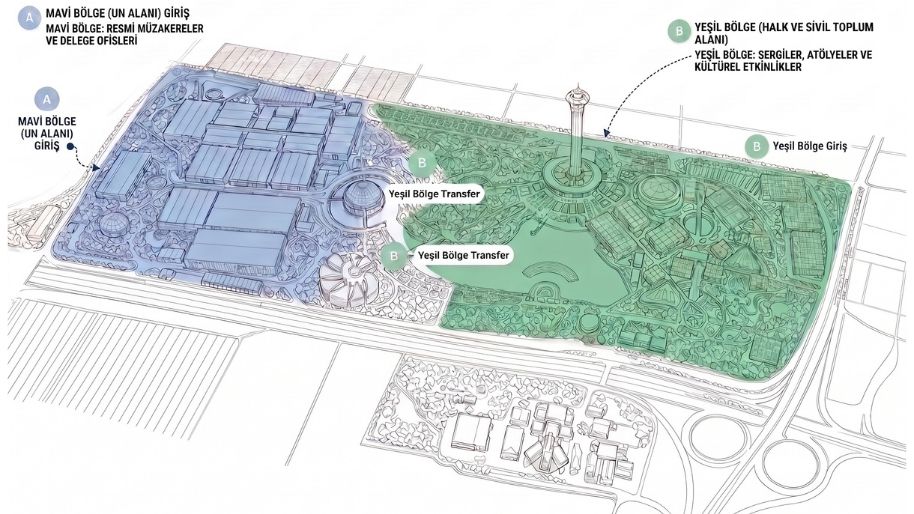
COP31, which will be held in Antalya from 9 to 20 November 2026, as also explained on the What is COP31 page, is the 31st Conference of the Parties of the United Nations Framework Convention on Climate Change (UNFCCC), and it is expected to bring together approximately 100,000 participants and the 197 countries that are Parties to the UNFCCC. Organising a summit of this scale in an inclusive, equitable and functional way requires the venues to be clearly separated. For this reason, two distinct areas will greet participants in Antalya: the Blue Zone, where the official negotiations are held, and the Green Zone, which constitutes the public face of climate action. Both areas bring to the ground different dimensions of the Dialogue, Consensus and Action principle, one of the core pillars of the COP31 Vision, and, together with different groups of participants, they weave the concrete steps of the path leading from commitment to implementation.
The Blue Zone: The Diplomatic Backbone of Negotiation
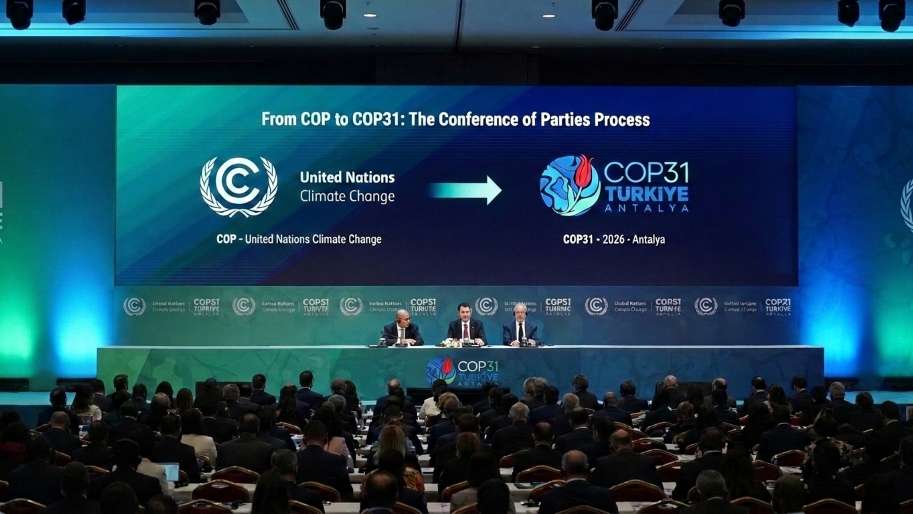
Blue Zone, the official conference area of COP31 managed by the UNFCCC. Defined as the summit's "diplomatic backbone", this is the central venue where negotiations on climate policy and official meetings take place. Here, climate policy negotiations, high-level discussions, official side events, press briefings, bilateral meetings and technical sessions are held. The Blue Zone is a negotiating ground where results that can be verified on the ground are put on the table and where national delegations seek consensus around a shared will.
Access to this area is limited only to accredited participants: national delegations, UNFCCC observer organisations, UN agencies and accredited media members may be present in the Blue Zone. UNFCCC accreditation is mandatory for entry, and the badge must be worn visibly at all times.
The Green Zone: The Meeting Point of Climate Action
Green Zone, meanwhile, was designed as COP31's focal point for climate action; it hosts exhibitions, workshops, announcements and networking activities. In this area, climate innovation exhibitions, institutional and country pavilions, public talks and workshops, cultural events, and networking and partnership opportunities come together.
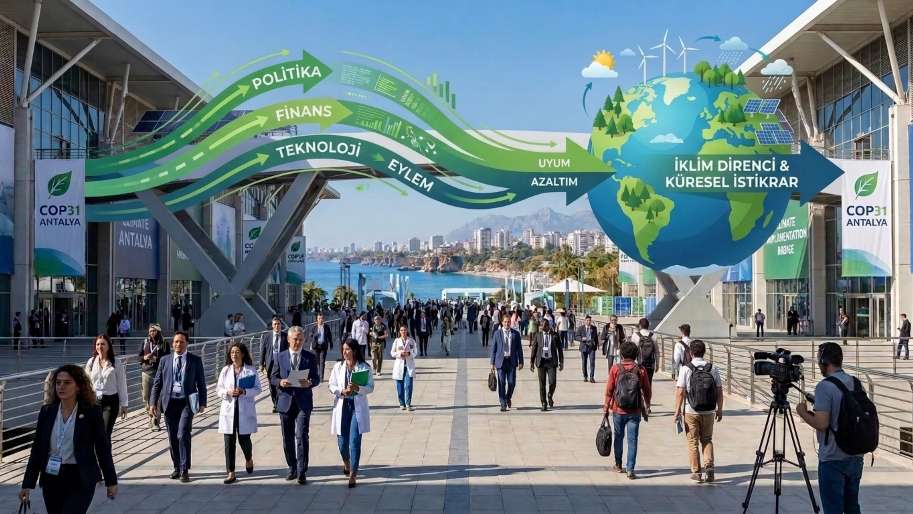
Unlike the Blue Zone, the Green Zone is open to a much broader and more inclusive participant profile: business and industry representatives, civil society organisations, academic and research institutions, start-ups and climate technology innovators, youth organisations and visitors interested in the subject can all take their place in the Green Zone. In this respect, the Green Zone offers an inclusive ground for climate dialogue in which no one is left behind and which makes visible the voices of vulnerable communities, local governments, civil society and young people.
Who Can Attend Where? The Accreditation Difference
The most decisive difference between the two areas emerges in their access conditions. While the Green Zone has a relatively open participation model, entering the Blue Zone requires going through the Accreditation process. The groups eligible for accreditation include delegates of Party countries, accredited observer organisations, UN agencies and international organisations, civil society organisations, business and industry representatives, academic institutions and accredited media.
The accreditation process consists of four steps: Organisation Registration, Participant Nomination, UNFCCC Approval and Approval Notification. Once the process is complete, participants can collect their badges from the Registration Centre in Antalya; for this they need a valid passport or official identity document, accreditation approval and, if any, an invitation letter. Because the expected number of participants is approximately 100,000, early application is recommended.
In short, while access is possible through a wider door for those wishing to take part in the Green Zone, those who wish to be involved in the official negotiation processes in the Blue Zone must have completed UNFCCC accreditation. This distinction enables COP31 both to conduct a transparent and orderly diplomatic process and to offer an inclusive platform that engages broad segments of society in climate action.
From Dialogue to Consensus, From Consensus to Action
The Blue Zone and the Green Zone operate as two separate but complementary mechanisms. While the negotiations conducted in the Blue Zone produce consensus on the basis of shared responsibility, the projects exhibited and the partnerships formed in the Green Zone help this consensus turn into concrete steps on the ground. In line with the principle that "A commitment is a declaration of intent; implementation is trust," the COP31 Presidency aims for both areas to serve a fair, inclusive and verifiable climate future. For participants coming to Antalya, the first step is to clarify which area they wish to take part in and to complete the appropriate accreditation process in good time.