The Meaning of COP31 and Its Place in the Global Process

The meaning of COP31 and its place in the global process represent one of the important stages reached in international cooperation against climate change and serve as a global platform where countries around the world come together to establish stronger climate targets.
The Meaning of COP31 and Its Place in the Global Process
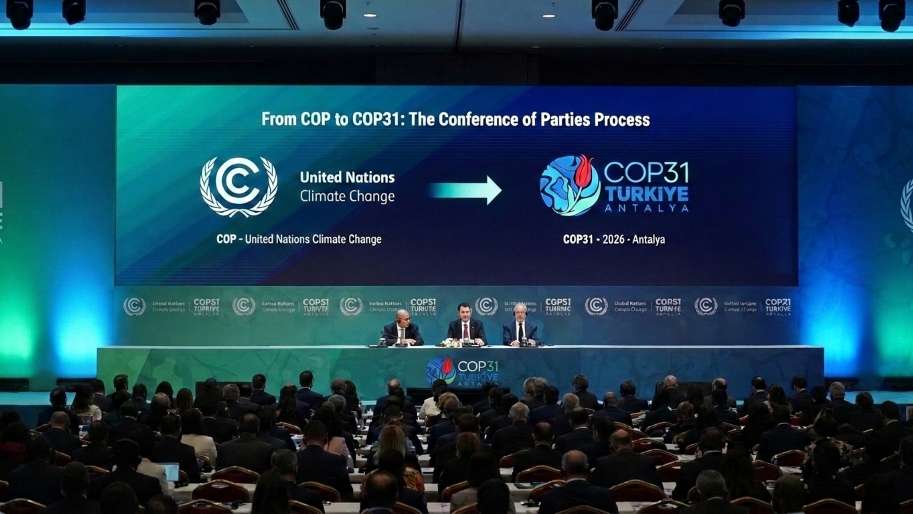
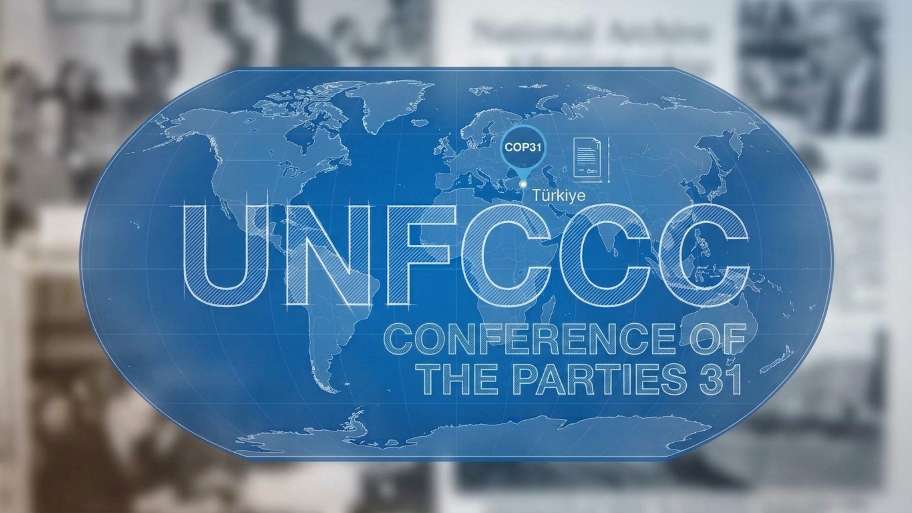
COP31, which stands for “Conference of the Parties 31” in English and is expressed as “31st Conference of the Parties” in Turkish, is an international climate summit. COP meetings are among the most important global platforms organized under the United Nations Framework Convention on Climate Change (UNFCCC), where countries around the world make joint decisions regarding the fight against climate change. The COP process, which started in 1995, has become the main mechanism of international cooperation against the climate crisis today.
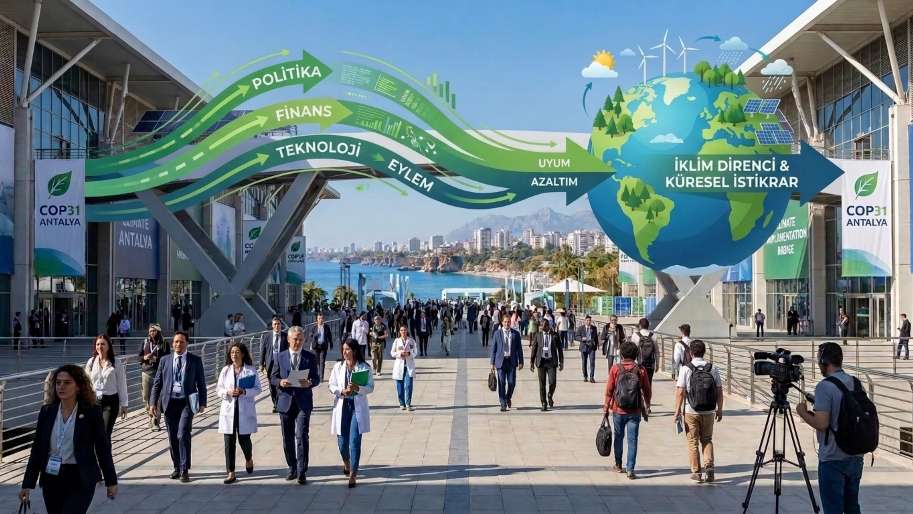
COP31 in terms of combating climate change is considered one of the important meetings that will shape the future of global climate policies. This summit comes at a critical period in terms of strengthening countries’ greenhouse gas emission reduction targets, increasing renewable energy investments, developing adaptation policies against the impacts of climate change, and creating a more sustainable economic model.
COP31 in terms of global climate diplomacy is not only a meeting where government representatives come together. These conferences are multi-stakeholder negotiation processes involving governments, scientists, private sector representatives, non-governmental organizations, financial institutions, and various international organizations. Therefore, COP31 will be a platform where decisions regarding the climate crisis will affect not only environmental policies but also economic and social systems.
COP31 within the framework of the United Nations Framework Convention on Climate Change is highly important in terms of evaluating climate targets established in previous years and determining new-period policies. Increasing global temperatures, the rise in extreme weather events, and increasing pressure on natural resources have made it necessary for countries to develop stronger and more applicable climate policies.
The Historical Development of the COP Process and Its Role in Global Climate Policies
The COP process emerged with the aim of creating a common mechanism to combat global climate change. The intensified use of fossil fuels after the Industrial Revolution increased greenhouse gas concentrations in the atmosphere and caused global temperatures to rise. This situation has made it necessary to address climate change not only as an environmental issue but also as an economic and humanitarian crisis.
The United Nations Framework Convention on Climate Change was adopted in 1992 and formed the foundation of international cooperation on climate change. Through this convention, countries agreed to act collectively to prevent greenhouse gas concentrations in the atmosphere from reaching dangerous levels.
The first COP meeting was held in 1995 and marked the beginning of a process that enabled participating countries to regularly come together. Since then, COP summits held every year have played a central role in determining climate policies.
The Kyoto Protocol is considered one of the most important stages of the COP process. Adopted during the COP3 meeting held in 1997, the Kyoto Protocol became one of the first major international agreements to establish greenhouse gas reduction targets for developed countries. This agreement clearly demonstrated the responsibilities of countries in combating climate change.
The Paris Agreement is considered one of the most important achievements in COP history. Adopted during the COP21 meeting held in 2015, the Paris Agreement aimed to limit global temperature increases compared to pre-industrial levels. Through this agreement, countries assumed responsibility for setting more comprehensive national targets in the fight against climate change.
The development of COP summits has expanded as the climate crisis has become increasingly complex. While discussions in the early periods mainly focused on greenhouse gas reductions, today they cover many different topics such as climate finance, energy transformation, loss and damage mechanisms, sustainable development, and climate justice.
The Importance of COP31 in Terms of Global Climate Policies
The importance of COP31 comes from the fact that it coincides with a critical stage in the implementation of global climate targets. Although countries around the world have established many important goals during previous COP meetings, stronger steps are needed to ensure that these targets are effectively implemented.
Limiting the increase in global temperatures is among the main issues that will be addressed within the scope of COP31. Scientific assessments indicate that current policies are not sufficient to keep global temperature increases at the desired levels. Therefore, countries are expected to announce more ambitious emission reduction targets.
Nationally Determined Contributions (NDCs) will be one of the most important elements of the COP31 process. Within the framework of the Paris Agreement, countries determine their own targets in the fight against climate change and update these targets at certain periods. With COP31, countries are expected to present more comprehensive and applicable plans.
The implementation of climate policies is one of the key factors that will determine the success of COP31. Although many countries have announced important climate targets in previous years, these targets need to be supported economically and technically. Therefore, COP31 will discuss not only the announcement of new commitments but also how existing commitments will be implemented.
Key Agenda Items Expected to Be Discussed at COP31
Climate Finance and the Green Transformation Process
Climate finance will be one of the most important topics of COP31 discussions. The impacts of climate change are particularly felt more intensely in developing countries. However, these countries need significant financial resources to transition to a low-carbon economy and adapt to the climate crisis.
Green transformation investments aim to align economic systems with environmental goals. Financial support is required to make many sectors, from energy production to industrial activities, more sustainable.
Financial discussions between developed and developing countries have been among the long-standing issues of the COP processes. The view that developed countries carry greater responsibility due to their historical emissions holds an important place in climate finance negotiations.
Renewable Energy and Energy Transition
Energy transition will be one of the most critical agenda items of COP31. A large portion of global greenhouse gas emissions originates from energy production and consumption. Therefore, transitioning from fossil fuels to renewable energy sources is considered one of the fundamental ways to achieve climate targets.
Renewable energy sources include solar, wind, hydroelectric power, and other clean energy technologies. Expanding these resources is important both for reducing carbon emissions and increasing energy security.
Energy efficiency efforts will be another important issue evaluated within the scope of COP31. Achieving the same level of production while consuming less energy is considered one of the effective methods for reducing carbon emissions.
Climate Change Adaptation and Resilience Policies
Climate change adaptation has become an essential part of climate policies today. This is because the impacts of the climate crisis are now directly visible in many countries.
Extreme weather events, droughts, floods, heat waves, and wildfires require societies to become more resilient against climate change. Therefore, an important discussion topic within COP31 will be how cities, agricultural systems, and infrastructures can be strengthened against climate risks.
Loss and damage mechanisms have a special importance in addressing the impacts of climate change. Countries most affected by the climate crisis are demanding stronger steps regarding compensation for damages and the development of support mechanisms.
The Importance of COP31 for Türkiye
COP31 for Türkiye is considered an important opportunity in global climate diplomacy. Hosting this major international organization will increase Türkiye’s visibility regarding climate policies.
COP31 to be held in Antalya will provide an important platform where Türkiye can present its sustainable development goals, energy transformation policies, and environmental initiatives to the international community.
Türkiye’s climate policies have developed in recent years in line with renewable energy investments, energy efficiency studies, and carbon reduction targets. The COP31 process may contribute to the global evaluation of these policies and the creation of new collaborations.
The green economy transformation is also economically significant for Türkiye. Carbon reduction and sustainable production criteria are becoming increasingly influential in global trade. Therefore, climate policies are important not only as environmental responsibilities but also in terms of economic competitiveness.
The Future Global Impacts of COP31
The future global impacts of COP31 will shape the long-term consequences of decisions taken in the fight against climate change and will become an important turning point that determines countries’ future strategies in sustainable development, energy transformation, and environmental policies.
A New Era in Climate Policies
COP31 is considered a meeting where the implementation phase of global climate policies will be strengthened. In the coming years, countries are expected not only to announce targets but also to take concrete steps to achieve these goals.
Global cooperation will be one of the most important elements in solving the climate crisis. Climate change is an issue that no country can solve alone, making collective action necessary.
Technological developments will become one of the important tools in climate action after COP31. Clean energy technologies, carbon capture systems, sustainable transportation solutions, and green production models will play a decisive role in future climate policies.
The Role of COP31 for a Sustainable Future
Sustainable development goals will be one of the fundamental approaches of the COP31 process. Ensuring economic growth within environmental limits is important for creating a more livable world for future generations.
Social participation is highly important for the success of climate policies. In addition to decisions taken by governments, individuals, businesses, and local administrations must also become involved in climate action.
The success of COP31 will depend on how strongly countries act in line with common goals. Strengthening international solidarity is necessary to limit global temperature increases, protect natural resources, and reduce the impacts of the climate crisis.
Why Is COP31 a Critical Turning Point?
COP31 will be a historic summit representing an important stage in nearly thirty years of global climate negotiations. This conference is highly significant in terms of countries developing stronger policies against the climate crisis, reviewing their existing targets, and creating concrete implementation plans.
The fight against climate change has become one of the greatest common challenges facing humanity today. Therefore, decisions made within the scope of COP31 will affect not only environmental policies but also economic systems, energy models, and the future of societies.
Achieving global climate targets depends on countries fulfilling their commitments, using financial resources effectively, and expanding sustainable technologies. COP31 will be an important milestone where international cooperation must be strengthened to achieve these goals.
COP31 in terms of future climate policies will not only be a conference but also an important platform where the world demonstrates its collective commitment against the climate crisis. Therefore, COP31 will play a decisive global role in building a sustainable and resilient future.