MR-11 · Mimar Sinan
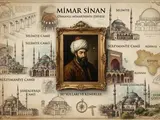
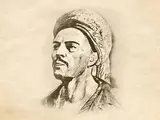
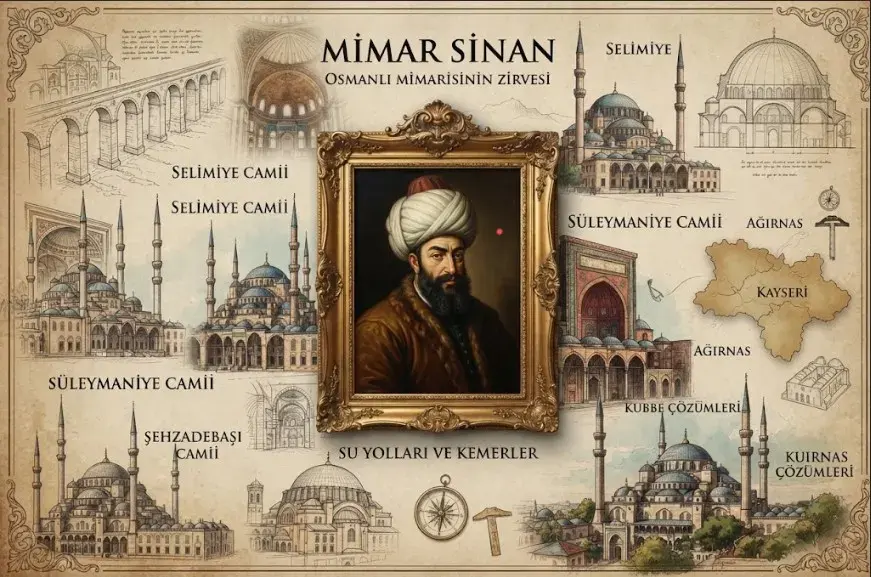
Mimar Sinan was one of the most important representatives of Ottoman architecture and a leading figure in world architectural history. Believed to have been born in 1489 or 1490 in the village of Ağırnas, Kayseri, Sinan joined the Ottoman military organisation at a young age and had the opportunity to become familiar with different regions and architectural structures during the military campaigns in which he took part.
The engineering and construction experience he gained during his years of military service laid the foundation for his architectural career. Appointed chief imperial architect in 1538, Sinan served during the reigns of Kanuni Sultan Süleyman, Sultan Selim II and Sultan Murad III. Over an architectural career spanning nearly half a century, he produced works that transformed the appearance of Ottoman cities.
Among Mimar Sinan’s best-known works are Süleymaniye Camii in İstanbul and Selimiye Camii in Edirne. He is said to have described Şehzade Camii as his work of apprenticeship, Süleymaniye Camii as his work of journeymanship and Selimiye Camii as his masterpiece. With their expansive domes, balanced structural systems, use of natural light and refined architectural details, these buildings reflect his engineering expertise and aesthetic vision. Sinan designed not only mosques but also bridges, madrasas, baths, aqueducts, caravanserais and külliyes (complexes of religious and social buildings). These works demonstrate an integrated approach to architecture, not merely as the art of constructing buildings, but as a discipline that shapes urban life.
Mimar Sinan’s works spread across different regions of the Ottoman territories, and his architectural approach influenced generations that followed him. Selimiye Camii in Edirne was inscribed on the UNESCO World Heritage List in 2011. The great architect, who died in İstanbul in 1588, rests in a modest tomb of his own design near the Süleymaniye Külliyesi. The works he left behind continue to shape the skylines of cities centuries later. Through his contributions to Ottoman architecture, Mimar Sinan left a lasting mark not only on his own era but also on the architectural heritage of the world.
Official sources+
Source titles are given in their original language.
- T.C. Kültür ve Turizm Bakanlığı – Mimar Sinan’ın Eserleri
- Türk Tarih Kurumu – Mimar Sinan’ın İlk Eserleri
- UNESCO Dünya Miras Merkezi – Selimiye Camii ve Külliyesi
- TDV İslâm Ansiklopedisi – Sinan