PRESS-1 · Mevlânâ
“Either appear as you are, or be as you appear.”
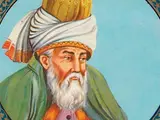
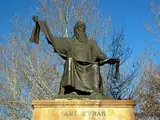
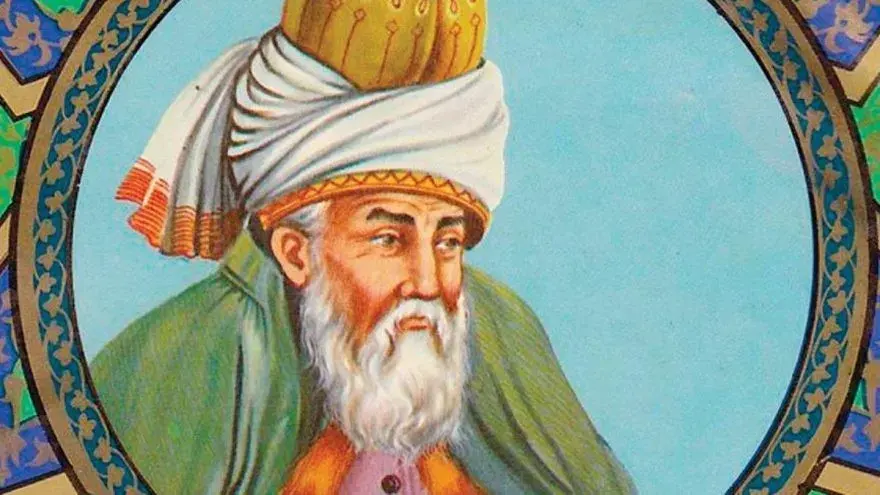
Mevlânâ Celâleddîn-i Rûmî was born on 30 September 1207 in the city of Belh, located within the borders of present-day Afghanistan. His given name was Muhammed Celâleddîn. His father, Bahâeddin Veled, played an important role in his upbringing through his standing in scholarly and Sufi circles. After a long journey with his family, he arrived in Anatolia and settled in Konya, where he would spend most of his life. The name “Rûmî” refers to his life in Anatolia, while the title “Mevlânâ” reflects the respect and admiration he received.
One of the most important turning points in Mevlânâ’s life was his encounter with Şems-i Tebrîzî in 1244. This meeting brought about a profound change in his thought and poetic expression. In his poetry, he explored divine love, self-knowledge, compassion and the richness of the human spirit. In his view, people must first turn inward to discover their own inner world in order to reach the truth, placing love, tolerance and humility at the centre of their lives.
Mevlânâ passed away in Konya on 17 December 1273. He called this day his “Wedding Night” (Şeb-i Arûs), marking his union with God. His best-known works include Mesnevî, which explores humanity and existence through a profound Sufi perspective; Dîvân-ı Kebîr, a collection of his poems; as well as Fîhi Mâ Fîh, Mektûbât and Mecâlis-i Seb’a. Today, Mevlânâ Müzesi in Konya continues to preserve his memory and the heritage of Mevlevî culture.
Official sources+
Source titles are given in their original language.
- Konya Büyükşehir Belediyesi – Mevlânâ’nın Hayatı
- TDV İslâm Ansiklopedisi – Mevlânâ Celâleddîn-i Rûmî
- T.C. Kültür ve Turizm Bakanlığı – Mevlânâ Müzesi