SPE-3 · Assos
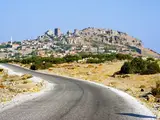
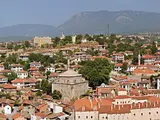
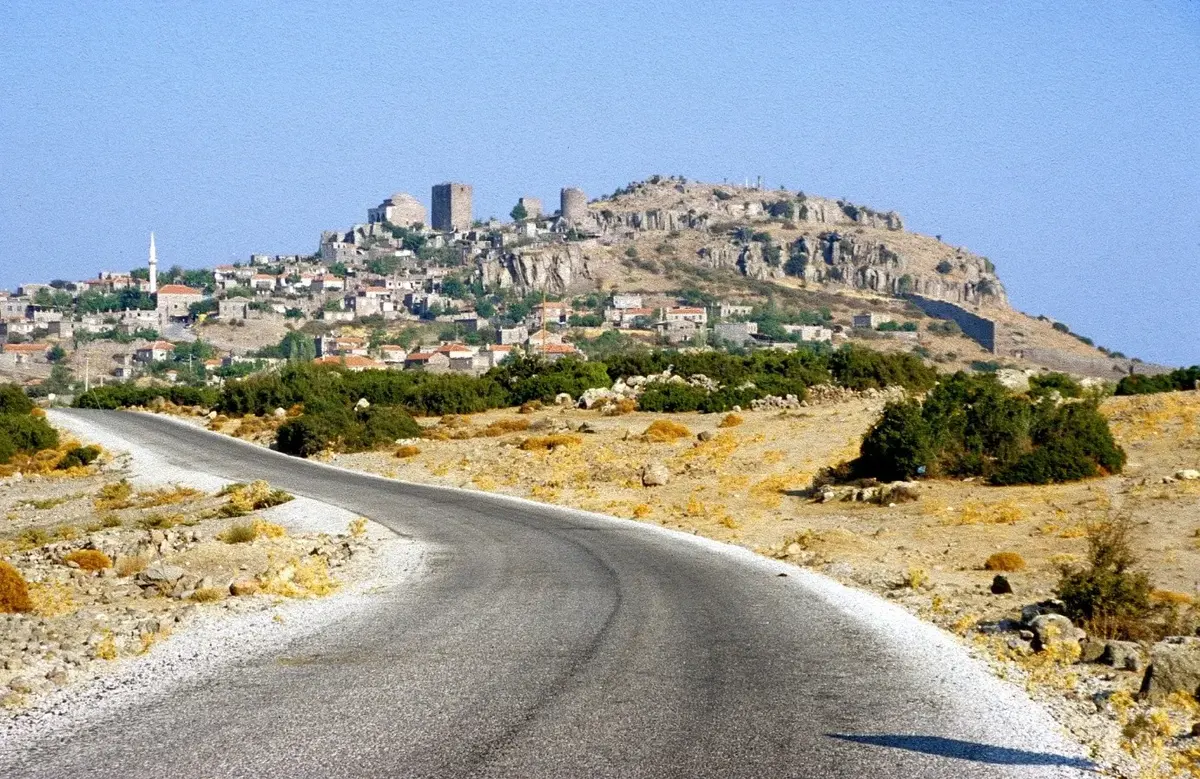
Located in the Ayvacık district of Çanakkale, within the boundaries of Behramkale village, Assos is an important ancient city built on a volcanic hill overlooking the Aegean Sea.
Known for its natural harbour, stone streets and historic buildings, Assos was an important centre of trade, culture and thought throughout antiquity. Its location, where the sea meets the mountains, gave the city special strategic and scenic value.
The history of Assos dates back to the 7th century BCE. The city also gained an important place in the history of thought, particularly because the philosopher Aristotle lived there in the 4th century BCE. Aristotle spent some time in Assos, where he continued his philosophical studies. The Temple of Athena, one of the city’s most important structures, is among the significant examples of Archaic Period temples to have survived in Anatolia. From its elevated position, the temple overlooks the Aegean Sea and offers views extending towards Midilli Adası.
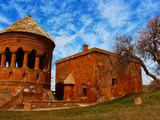
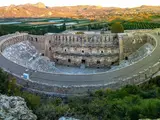
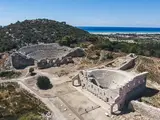
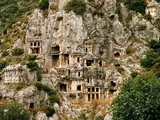
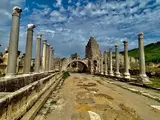
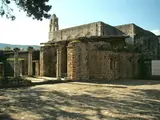
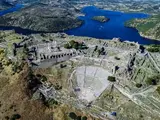
The agora, theatre, necropolis (ancient cemetery), city walls and harbour structures in Assos shed light on the ancient city’s past. Its historic character, distinguished by its stone craftsmanship, continues to live on today alongside the traditional architecture of Behramkale village. Bringing together traces of antiquity and natural beauty, Assos represents the cultural heritage of Anatolia’s Aegean coast.
Official sources+
Source titles are given in their original language.
- UNESCO Dünya Miras Merkezi – Assos Arkeolojik Alanı (Geçici Liste)
- T.C. Kültür ve Turizm Bakanlığı, Türkiye Müzeleri – Assos Örenyeri
- Çanakkale İl Kültür ve Turizm Müdürlüğü – Assos Ören Yeri