PH-2 · Akdeniz
Akdeniz, stretching between Europe, Asia and Africa, is one of the world’s most remarkable regions, with its natural beauty, rich biodiversity and thousands of years of history.
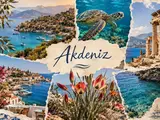
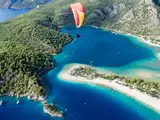
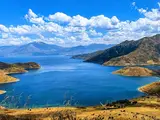
Its blue waters, sunny shores, extensive sandy beaches, bays and mountains rising towards the sea give it a distinctive character. However, Akdeniz is defined by more than the beauty of its sea. The surrounding lands, fertile plains, forests, rivers, historic cities and traditional settlements together form the identity of this region. Throughout history, trade connections established by sea have contributed to the development of port cities and cultural exchanges between different societies. In this respect, Akdeniz has served both as a natural habitat and as one of the significant meeting points in human history.
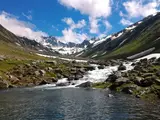
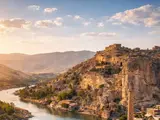
The Akdeniz coastline extending along the south of Türkiye is one of the most remarkable parts of this vast region. In these lands, where the Taurus Mountains run parallel to the coast, high mountains, pine forests, fertile plains, lakes and long stretches of coastline exist side by side. Under the influence of the Akdeniz climate, crops such as olives, citrus fruits, bananas and cotton are cultivated, while fishing, maritime activities and tourism play an important role in coastal cities. In addition to cities such as Antalya, Mersin, Adana and Hatay, the natural and cultural richness of Isparta and Burdur also reflects the diversity of this region. The close relationship between the mountains and the sea has shaped the region’s climate, vegetation, agriculture and settlement patterns.
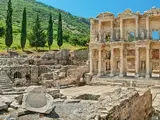
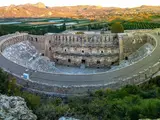
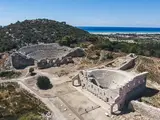
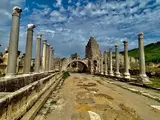
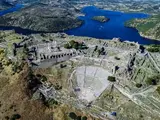
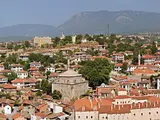
Today, we are in Antalya, one of the most important centres of this unique Akdeniz geography. Located where the Taurus Mountains meet the Akdeniz, Antalya stands out with its turquoise coastline, Konyaaltı and Lara beaches, Düden Waterfalls, forested areas and historic cities. The city’s historic Kaleiçi district preserves traces of the past through its narrow streets, traditional houses, Hadrian Kapısı and old harbour. Nearby ancient cities such as Perge, Aspendos, Side, Phaselis and Olympos are examples of thousands of years of architectural and cultural heritage. The magnificent theatre of Aspendos, the historic harbours of Phaselis and the ancient structures of Side bear witness to the historical relationship these lands have maintained with the sea and trade routes. As one travels inland from Antalya’s coastline, the plateaus, valleys and forests of the Taurus Mountains offer a variety of natural landscapes. In other parts of the region, the fertile agricultural lands of Çukurova, the rose gardens of Isparta, the lakes of Burdur and the distinctive culinary culture of Hatay further enrich the diverse character of Akdeniz.
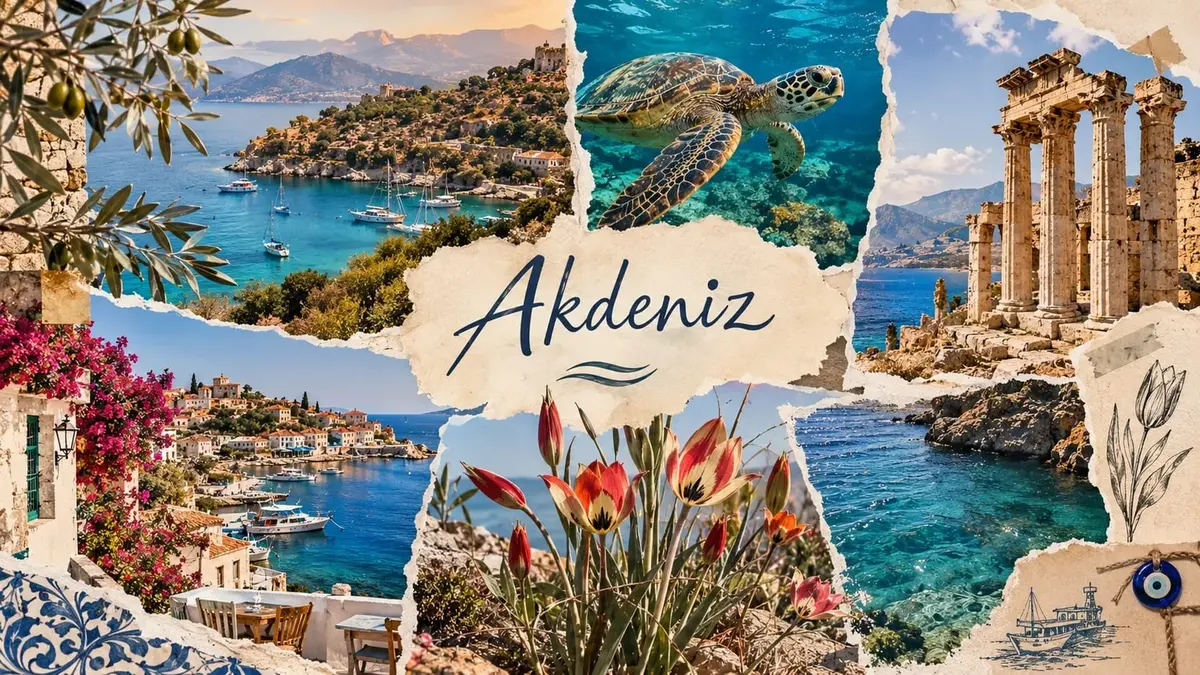
The natural environment of Akdeniz is also one of the region’s most important assets. Sea turtles, Mediterranean monk seals and seagrass meadows are among the notable elements of its marine ecosystems, while coastal forests, wetlands and mountainous areas provide habitats for numerous species. Nevertheless, marine pollution, plastic waste, the loss of coastal habitats, drought, forest fires and climate change are affecting the region’s natural environment. Given the close connection between the sea and the land, these changes concern not only marine life but also agriculture, tourism, local economies and coastal settlements. With all these characteristics, Akdeniz is a vast and distinctive region where blue, green and history come together, shaped by its natural beauty, cultural heritage and human life.
Official sources+
Source titles are given in their original language.
- T.C. Kültür ve Turizm Bakanlığı – Akdeniz Bölgesi (The Mediterranean Region)
- Birleşmiş Milletler Çevre Programı Akdeniz Eylem Planı (UNEP/MAP) – Barselona Sözleşmesi
- UNEP/MAP – Akdeniz’de Biyolojik Çeşitlilik (Biological Diversity in the Mediterranean)
- UNESCO Dünya Miras Merkezi – Perge Arkeolojik Alanı (Geçici Liste)
- Antalya İl Kültür ve Turizm Müdürlüğü – Müzeler ve Ören Yerleri