SPE-2 · Likya
The Lycians, who lived in the southwestern part of the Mediterranean region, across an area that today includes Antalya and part of Muğla, formed one of Anatolia’s distinctive ancient civilisations.
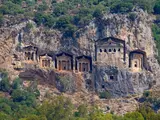
In the lands stretching between the mountains and the sea, they left their mark on history through the cities they founded, their rock-cut tombs, monuments and distinctive script. The region of Likya stands out not only for its natural beauty but also for its rich historical heritage.
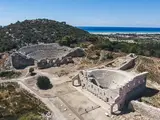
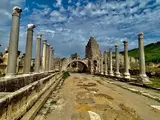
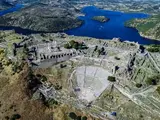
One of the most remarkable features of Likya was the Likya Birliği (Lycian League), formed by its cities. Considered one of the important political unions of the ancient world, this structure reflected a system of government based on joint decision-making and representation among the cities. Patara was one of the league’s major centres. The assembly building located there offers insight into the political and social life of Likya. This league is one of the notable examples in Anatolian history of different cities coming together under a shared political structure.
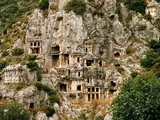
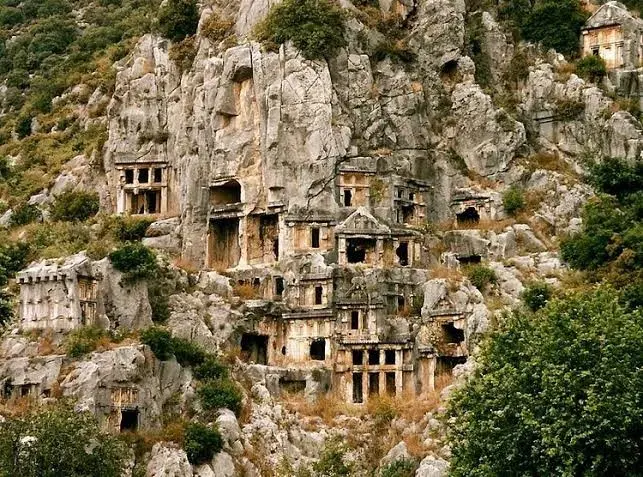
Ancient cities such as Xanthos, Letoon, Patara, Myra and Tlos are among the important legacies of the Likya civilisation. In particular, tombs carved into rocks, sarcophagi (stone coffins) and monumental structures have preserved the artistic and architectural traditions of the Lycians to the present day. The ancient cities of Xanthos and Letoon are included on the UNESCO World Heritage List because of their historical and cultural significance. This heritage from Likya reveals the many layers of Anatolia’s history and its place among the civilisations of the Mediterranean.
Official sources+
Source titles are given in their original language.
- UNESCO Dünya Miras Merkezi – Xanthos-Letoon
- T.C. Kültür ve Turizm Bakanlığı, Türkiye Müzeleri – Patara Örenyeri
- Antalya İl Kültür ve Turizm Müdürlüğü – Xanthos