MR-3 · Topkapı
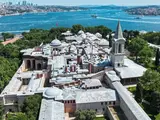
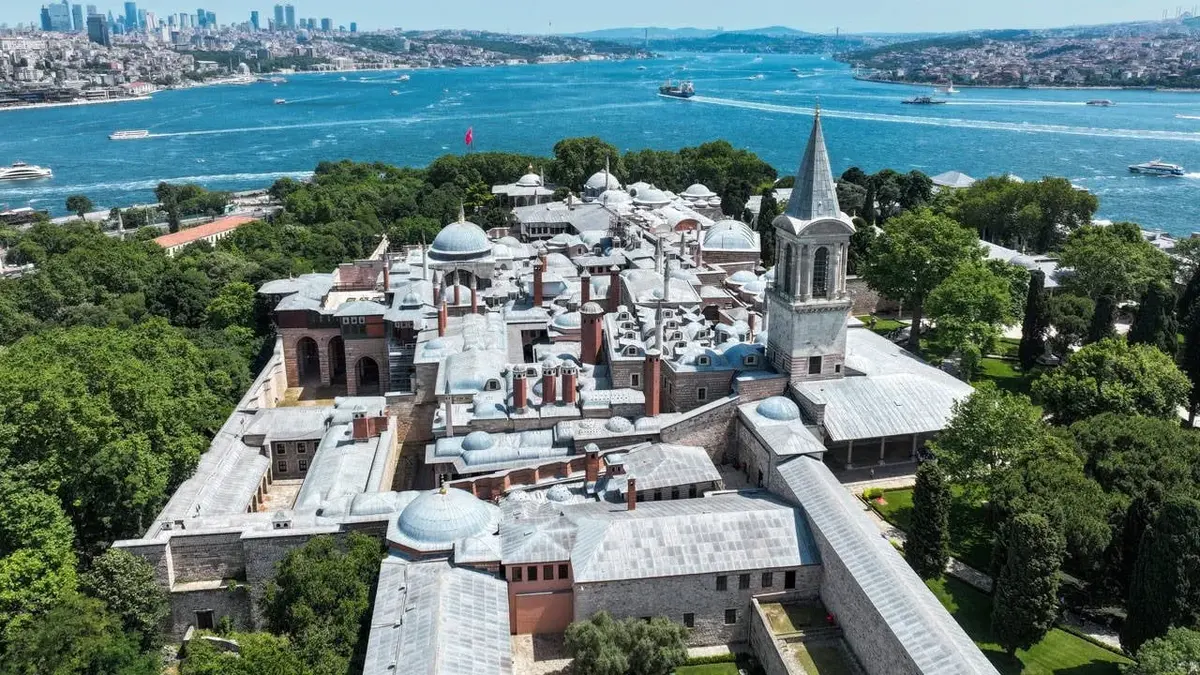
Located on İstanbul’s Historic Peninsula, overlooking the Golden Horn, the Bosphorus and the Sea of Marmara, Topkapı Palace served as the administrative centre of the Ottoman Empire and the residence of its sultans for nearly four centuries.
Construction of the palace began following the conquest of İstanbul by Fatih Sultan Mehmed, and it expanded through additions made during different periods from the 15th century onwards. With its spacious courtyards, pavilions, gardens, council chambers and elegant decorations, Topkapı Palace reflects the distinctive characteristics of Ottoman palace architecture.
Topkapı Palace is not merely an administrative centre, but also an important cultural heritage site reflecting the Ottoman state’s traditions, artistic achievements and court life. The sacred relics, valuable manuscripts, weapons, porcelain collections and jewellery housed within the palace reveal the historical and artistic legacy of different periods. The Harem, Divan-ı Hümayun and Enderun, among the palace’s principal sections, illustrate different aspects of Ottoman court life and the structure of state administration. Today, Topkapı Palace welcomes visitors as a museum. It was inscribed on the UNESCO World Heritage List in 1985 as part of the Historic Areas of İstanbul and remains one of the most prominent elements of İstanbul’s historic skyline.
Official sources+
Source titles are given in their original language.
- UNESCO Dünya Miras Merkezi – İstanbul’un Tarihî Alanları
- T.C. Kültür ve Turizm Bakanlığı, Millî Saraylar – Topkapı Sarayı
- T.C. Kültür ve Turizm Bakanlığı, Türkiye Kültür Portalı – Topkapı Sarayı