SE-8 · Bergama
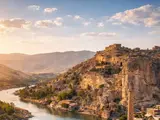
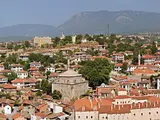
Located north of İzmir, in the Bakırçay Havzası, Bergama is one of Anatolia’s most important historical and cultural centres. Known as Pergamon in ancient times, the city became the capital of the Pergamon Kingdom during the Hellenistic period and maintained its importance throughout the Roman, Byzantine and Ottoman periods.
In recognition of its rich cultural heritage, shaped by different civilisations, Bergama was added to the UNESCO World Heritage List in 2014.
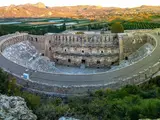
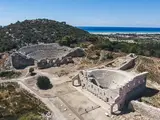
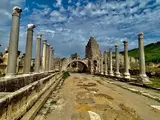
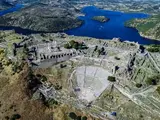
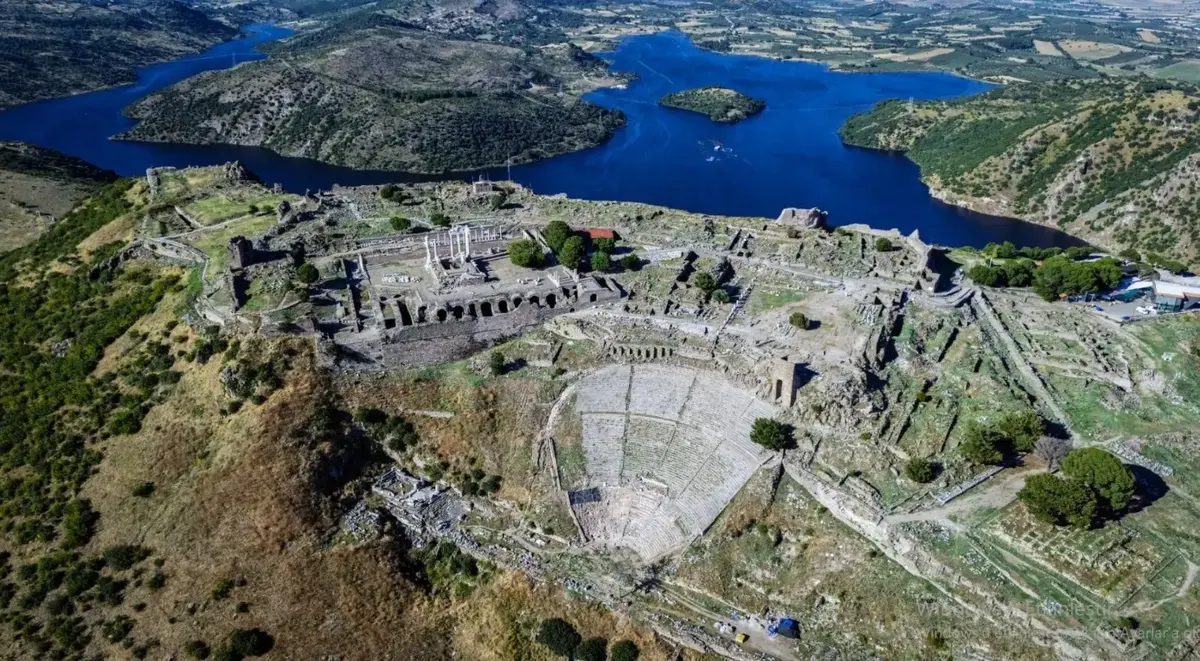
Bergama Akropolü is one of the city’s most magnificent historical sites. Structures such as Athena Tapınağı, Trajan Tapınağı, the ancient theatre, the library and Zeus Sunağı reflect the architectural and artistic traditions of the Hellenistic period. The theatre, built on a steep slope, is particularly remarkable as an example of ancient engineering. Pergamon was also known as an important centre of education and culture during its time.
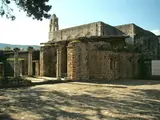
Bergama’s historical richness extends beyond the Acropolis. Asklepion, one of the ancient world’s important centres of healing, preserves traces of the search for cures and the history of medicine. Kızıl Avlu, dating from the Roman period, is another important structure that reflects the city’s religious and architectural diversity. Alongside its ancient sites, mosques, inns and bathhouses from the Ottoman period also show how Bergama has been home to different cultures throughout history. Bergama is a unique cultural heritage site that brings together different periods of the past in one place.
Official sources+
Source titles are given in their original language.
- T.C. Kültür ve Turizm Bakanlığı, Kültür Varlıkları ve Müzeler Genel Müdürlüğü – Bergama Çok
- Katmanlı Kültürel Peyzaj Alanı (İzmir)
- T.C. Kültür ve Turizm Bakanlığı, Türkiye Kültür Portalı – Bergama
- Bergama Alan Başkanlığı – Kısa Tanım
- T.C. Kültür ve Turizm Bakanlığı, Türkiye Müzeleri – Bergama Akropolü
- T.C. Kültür ve Turizm Bakanlığı, Türkiye Müzeleri – Bergama Asklepion Örenyeri