SPE-5 · Ahi Evran
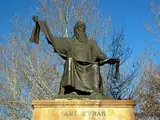
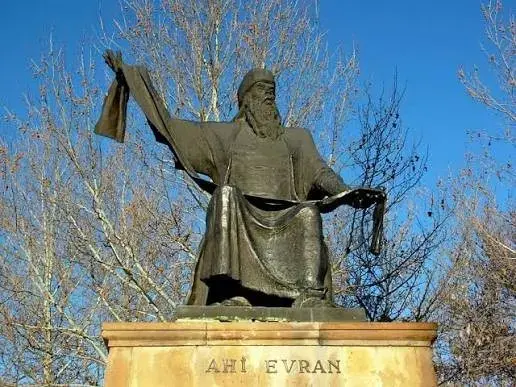
Ahi Evran was a 13th-century thinker and Sufi who played an important role in the development of guild organisation, professional ethics and a culture of solidarity in Anatolia.
His real name was Nasîrüddin Mahmud el-Hoyî, and it is believed that he came to Anatolia from the regions around Khorasan and Azerbaijan. He spent a significant part of his life in Kırşehir, where he also died. At a time when social and economic life in Anatolia was undergoing major changes, he placed great importance on helping people learn a trade and take part in production.
Ahilik, closely associated with the name of Ahi Evran, was not merely a professional organisation formed by tradespeople and craftsmen. It was also a way of life based on honesty, trust, mutual assistance, sharing and solidarity. In the Ahilik tradition, learning a trade was just as important as practising it ethically. Being honest with customers, producing high-quality goods, respecting labour and supporting those in need were among its core values.
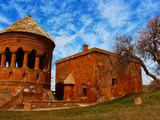
The Ahilik organisation helped regulate economic life in Anatolian cities, pass professions from one generation to the next and strengthen social solidarity. Ahi Evran’s ideas continued to shape the culture of tradespeople in Anatolia for centuries. Today, the Ahi Evran Külliyesi (complex of religious and social buildings) and tomb in Kırşehir are important symbols of this historical heritage. Ahi Evran is remembered as one of the leading figures of the Ahilik tradition, which brings together production and ethics, trade and trust, and social life and solidarity.
Official sources+
Source titles are given in their original language.
- TDV İslâm Ansiklopedisi – Ahî Evran
- Kırşehir İl Kültür ve Turizm Müdürlüğü – Ahi Evran-ı Veli