SE-9 · Safranbolu
Located in Karabük, Safranbolu is one of the important historic settlements that has preserved traditional Ottoman urban architecture and way of life to the present day.
Its known history dates back to around 3000 BCE. The city developed particularly during the Ottoman period thanks to its location on trade routes connecting the Black Sea coast with Western, Northern and Central Anatolia. From the 13th century onwards, Safranbolu became an important stop for caravans and, by the 17th century, had grown into a major centre of trade and architecture.
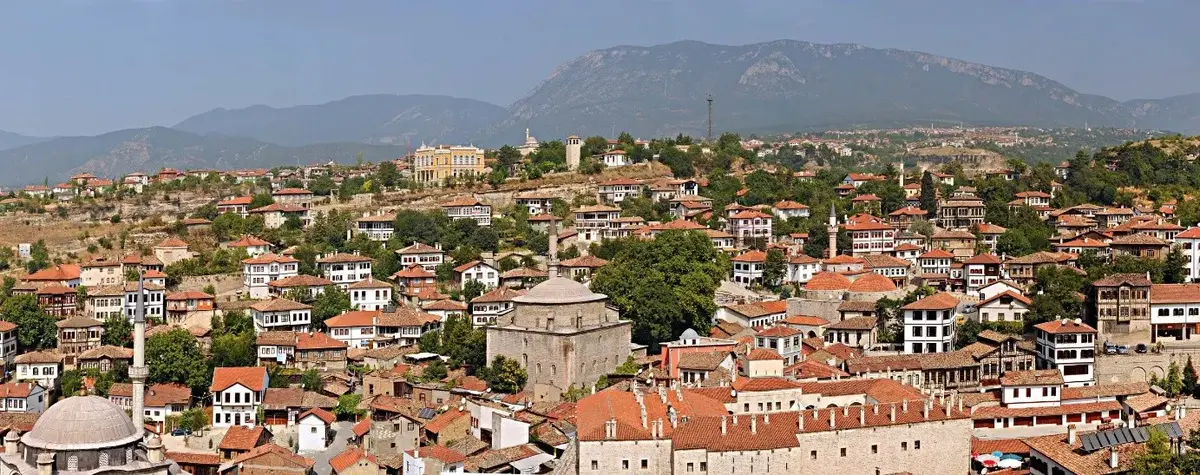
Safranbolu’s most distinctive features are its traditional Turkish houses and historic streets. Built using a combination of wood and stone, these houses reflect the family life and architectural style of their time through their projecting upper floors, wide eaves, courtyards and interior layouts. The city consists of three historic districts known as Çukur, Kıranköy and Bağlar. With its narrow, winding streets, historic bazaar, inns, bathhouses and mosques, Safranbolu brings the urban life of the past into the present.
Cinci Hanı, Köprülü Mehmet Paşa Camii, Eski Hükümet Konağı and the historic clock tower are among Safranbolu’s most notable buildings. The city’s architectural character and traditional settlement pattern are recognised as an important example of a well-preserved Ottoman town. Thanks to these features, Safranbolu was added to the UNESCO World Heritage List in 1994. Today, with its historic houses and streets, it continues to exist not merely as a city that recalls the past, but as one where the traces of the past remain part of everyday life.
Official sources+
Source titles are given in their original language.
- UNESCO Dünya Miras Merkezi – Safranbolu Şehri
- T.C. Kültür ve Turizm Bakanlığı, Kültür Varlıkları ve Müzeler Genel Müdürlüğü – Safranbolu Şehri (Karabük)
- T.C. Kültür ve Turizm Bakanlığı, Türkiye Kültür Portalı – Safranbolu Şehri
- Safranbolu Turizm Danışma Bürosu – Müze Kent Safranbolu