PH-1 · Anadolu
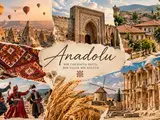
Anatolia is far more than a geographical bridge between Asia and Europe; it is one of the most significant regions of cultural and natural heritage in human history.
With its mountains, valleys, plains, rivers, seas and settlements dating back thousands of years, Anatolia is a unique geography that illustrates how the relationship between nature and humanity has evolved throughout history. These lands have been home to different societies in different periods, each civilisation leaving its own mark on Anatolia’s cultural richness.
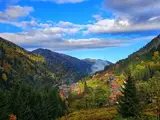
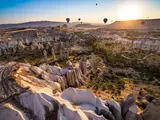
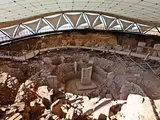
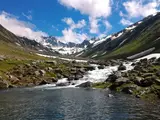
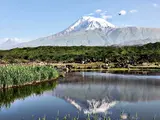
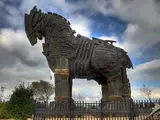
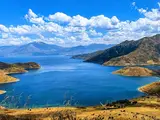
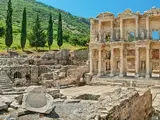
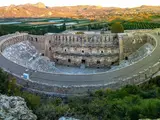
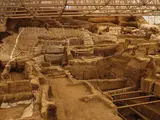
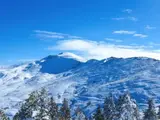
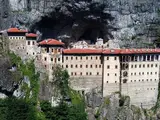
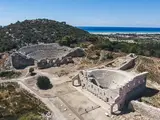
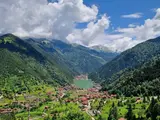
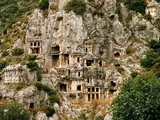
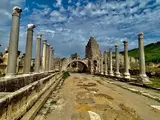
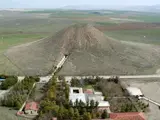
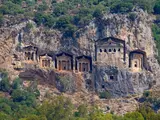
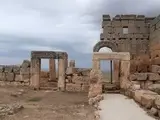
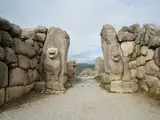
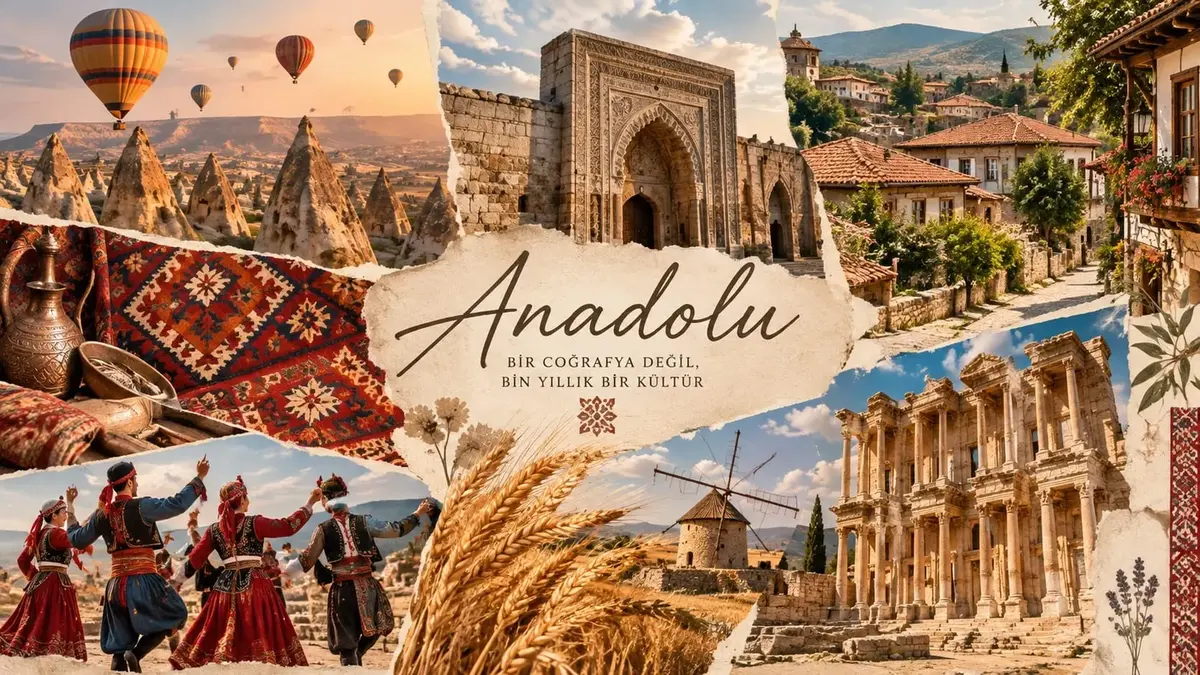
The history of Anatolia reaches far beyond written records. Göbekli Tepe in Şanlıurfa, with its monumental structures dating back approximately 12,000 years, sheds light on the earliest periods of human history. Çatalhöyük holds an important place in understanding settled life and social transformation. Hattuşa, the capital of the Hittites; Gordion, the legacy of the Phrygians; and the ancient sites of Troya, Efes and Bergama reveal the cultural, political and economic roles Anatolia has played in different periods. This heritage demonstrates that Anatolia was not merely a transit route, but also a place where civilisations developed and interacted with one another. The magnificent silhouette of the Taurus Mountains, the forests of the Black Sea Region, the high mountains of Eastern Anatolia, the Aegean coastline and the fertile plains extending towards Mesopotamia reflect the natural diversity of this geography. The coexistence of different climates, elevations and ecosystems has enabled rich plant and animal life to develop across Anatolia. This diversity reminds us that nature is not merely a beauty to be admired, but a shared source of life that must be protected.
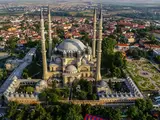
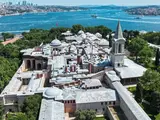
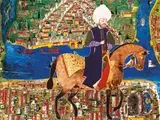
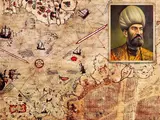
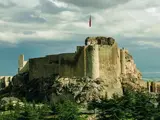
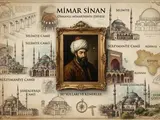
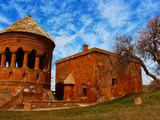
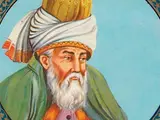
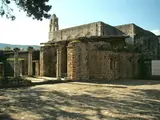
The historical relationship between the Turks and Anatolia entered a new phase with the intensified Turkish migrations of the 11th century and following the Battle of Manzikert in 1071. The Seljuks and, subsequently, the Anatolian principalities established a lasting cultural heritage by building cities, madrasas, caravanserais, bridges, mosques and trade routes across these lands. During the Ottoman period, different regions of Anatolia became part of a wider political and cultural network through their crafts, architecture, agricultural production and traditions. Weaving, tile-making, woodworking, stone craftsmanship, music and oral storytelling traditions are among the elements of this heritage that have survived to the present day.
Nevertheless, the Turkish identity of Anatolia cannot be considered independently of the legacy of the civilisations that preceded it. The historical depth of this geography lies in the traces left by successive periods and cultures. Anatolia’s richness lies in its ability to transform the diversity of its past into a shared cultural heritage in the present. Therefore, understanding Anatolia means understanding both the roots of Turkish history and the common history of humanity.
Today, one of Anatolia’s most important responsibilities is to pass this natural and cultural heritage on to future generations. Climate change, drought, pressure on water resources, forest fires, biodiversity loss and land degradation can affect not only the natural environment, but also agriculture, local economies, traditional ways of life and the sustainability of cultural heritage. Settlements that developed in the past in response to water, soil and climate conditions remind us once again of the importance of developing solutions that are in harmony with nature today.
Anatolia is not only a geography that carries the traces of the past, but also a living space that reminds us of our responsibilities towards the future. Protecting it means safeguarding more than stone structures, ancient cities or natural beauty; it means preserving humanity’s shared memory, cultural diversity and the continuity of life.
Anatolia’s message to the world is clear: bringing the wisdom of the past together with the solutions of the future, and living in harmony with nature, are fundamental to building a more sustainable world.
Official sources+
Source titles are given in their original language.
- T.C. Kültür ve Turizm Bakanlığı – Uygarlıkların Beşiği Anadolu
- UNESCO Dünya Miras Merkezi – Göbekli Tepe
- UNESCO Dünya Miras Merkezi – Türkiye’nin Dünya Mirası Alanları
- T.C. Kültür ve Turizm Bakanlığı – Cultural Heritage of Türkiye